
Living plant profile
Blue snakeweed (Stachytarpheta jamaicensis)
Stachytarpheta jamaicensis
📌 CLINICAL & BIOLOGICAL ABSTRACT — Blue snakeweed (Stachytarpheta jamaicensis)Blue snakeweed (Stachytarpheta jamaicensis) Stachytarpheta jamaicensis, widely known as blue snakeweed, Jamaica vervain, or Brazilian tea, is a remarkable semi-woody perennial subshrub within the Verbenaceae family. Native to tropical America and the Caribbean, it captures immediate botanical intrigue with its slender, erect terminal spikes resembling a […]

Blue snakeweed (Stachytarpheta jamaicensis)
Stachytarpheta jamaicensis, widely known as blue snakeweed, Jamaica vervain, or Brazilian tea, is a remarkable semi-woody perennial subshrub within the Verbenaceae family. Native to tropical America and the Caribbean, it captures immediate botanical intrigue with its slender, erect terminal spikes resembling a rat’s tail spanning 20 to 40 cm in length, studded with vivid cerulean-blue to rich violet florets that unfurl sequentially from base to tip at dawn. Renowned throughout ethnobotanical traditions for its therapeutic iridoid compounds supporting glucose balance and vascular health, it thrives with vigorous resilience as an attractive nectar plant across medicinal arboretums and sustainable biophilic gardens.
Sài Gòn Cây Cảnh Care Compass
1. Botanical Identity & Taxonomic Nomenclature History
Stachytarpheta jamaicensis was originally classified by Carl Linnaeus in 1753 as Verbena jamaicensis, subsequently transferred to the genus Stachytarpheta in 1804 by Danish-Norwegian botanist Martin Vahl in his treatise Enumeratio Plantarum. The generic name Stachytarpheta derives from the Greek roots stachys (‘spike’) and tarpheios (‘dense’ or ‘compact’), depicting the tightly packed, cylindrical floriferous spikes. The specific epithet jamaicensis denotes the geographic origin of the type specimen gathered on the Caribbean island of Jamaica.
Historically across the Caribbean and tropical South America, dried foliage was infused as a revitalizing herbal tisane known as ‘Brazilian tea’ to stimulate digestion and alleviate systemic inflammation. Throughout Vietnam and Southeast Asia, where it naturalized across fertile alluvial plains, blue snakeweed became a revered traditional herbal remedy utilized by folk healers to support glycemic control, relieve rheumatic pain, and soothe urinary tract ailments.
2. Morphological Anatomy & Structural Architecture
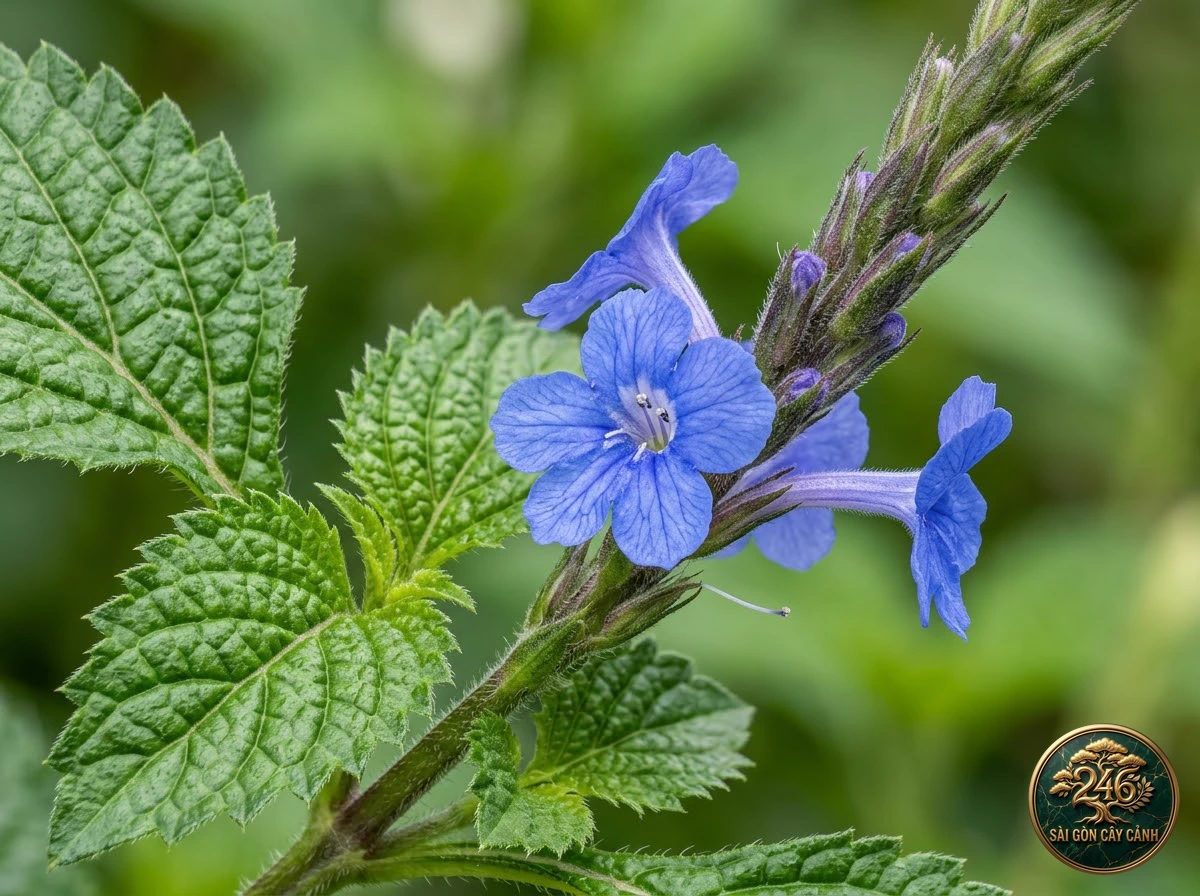
Morphologically, Stachytarpheta jamaicensis grows as an erect semi-woody herbaceous subshrub attaining heights of 0.6 to 1.2 meters with a lateral spread of 0.5 to 0.8 meters. Stems are distinctly quadrangular with four prominent angles on young growth, glabrous to sparsely puberulent, branching decussately from near the soil line. Leaves are decussately opposite; blades are ovate to elliptic-oblong, measuring 4 to 10 cm long by 2 to 5 cm wide, featuring cuneate decurrent bases, obtuse to acute apices, and coarsely crenate-serrate margins. The upper lamina is deep olive-green with deeply impressed veins creating a rugose corrugated texture, supported by flattened petioles 0.5 to 2 cm long.
Inflorescences arise solitary and strictly terminal as elongated, slender spike-like racemes resembling a rat’s tail, spanning 20 to 40 cm long by 3 to 5 mm in diameter, dark green with excavated hollows holding the buds. Flowers are hermaphroditic and semi-embedded in the rachis; the tubular calyx is compressed with four small teeth. The hypocrateriform corolla has a slender tube 8 to 10 mm long with five spreading rounded lobes rendered in vivid violet-blue or celestial blue, pale around the throat. Only 2 to 5 florets open per spike each morning, dropping petals by early afternoon as blooms advance sequentially along the rachis over weeks. The fruit is a cylindrical schizocarp 4 to 5 mm long embedded in the spike, splitting into two single-seeded nutlets upon maturity.
3. Solar Irradiance Thresholds & Photosynthetic Dynamics
Stachytarpheta jamaicensis is a resilient heliophyte thriving under full solar exposure but possessing remarkable adaptability to light dappled shade, performing optimally within 35,000 to 70,000 lux. A daily minimum of 4 to 6 hours of direct sunlight is essential to foster rigid quadrangular stems, sturdy elongate spikes, and vibrant cerulean flower pigmentation.
When positioned in heavy shade below 20,000 lux, stems turn succulent and weak, internodes stretch excessively, foliage becomes pale and thin, and floriferous spikes shorten with minimal daily anthesis. The species exhibits superb thermal endurance surpassing 38 degrees C in tropical settings, regulated by robust stomatal transpirational mechanisms.
4. Mineral Substrate Mechanics & Root Aeration Porosity
The root architecture of blue snakeweed features a penetrating primary taproot complemented by a dense network of fibrous secondary roots, exhibiting extraordinary tenacity across diverse soils ranging from coastal sands to heavy loams, provided there is rapid gravity drainage without pooling. It tolerates prolonged soil dryness remarkably well, though stagnant anaerobic waterlogging induces rapid black root rot.
The benchmark potting mix crafted by Saigon Cay Canh includes 45% clean alluvial loam, 25% carbonized rice husks for root zone aeration, 15% washed coco coir, 10% Trichoderma-inoculated aged vermicompost, and 5% horticultural perlite. Soil pH is maintained within 6.0 to 7.2. Containers must feature unobstructed drainage ports.
5. Hydraulic Equilibria & Irrigation Regimens
Blue snakeweed is a durable tropical species requiring moderate, steady hydration. It performs best in evenly moist, well-aerated substrates without waterlogging. The baseline watering protocol involves soaking the root perimeter at dawn whenever the upper 2 cm of soil feels dry. During arid tropical dry months, water once daily; during the monsoon season, suspend irrigation until the surface soil dries.
Direct water around the base; avoid blasting overhead spray against fragile daily florets. If transient moisture deficit causes mild foliar flagging, a thorough drench around the root zone completely restores turgor within thirty minutes.
6. Nutrient Biogeochemistry & Fertilization Protocols
Exhibiting vigorous wild vitality, Stachytarpheta jamaicensis does not require heavy chemical fertilization. Top-dress with aged vermicompost or slow-release organic pellets (NPK 6-8-12) monthly around the drip line to maintain continuous biological soil health.
During active shoot extension and prolonged flowering flushes, dissolve a water-soluble balanced formula (NPK 15-20-25 or NPK 16-16-16) at a mild dilution of 1.0 to 1.5 grams per liter, drenching the root zone every 10 to 12 days. Avoid excessive synthetic nitrogen, which triggers lush vegetative overgrowth while reducing therapeutic compound synthesis and floral density.
7. Clonal Propagation & Germplasm Conservation
Stachytarpheta jamaicensis propagates with consummate ease via both seed sowing and stem cuttings, achieving success rates above 95%. For seed propagation: harvest dried mature grey-brown spikes, thresh out the slender nutlets, and broadcast across moist sandy seedbeds; seedlings emerge uniformly within 7 to 10 days under warm temperatures of 25 to 30 degrees C.
For vegetative cuttings: take semi-firm shoots 10 to 12 cm long with 2 to 3 nodes. Using shears sanitized with 70% medical alcohol, make a 45-degree angle cut below a node and trim lower leaves. Insert 3 to 4 cm deep into moist sharp sand and perlite, maintain under 50% dappled shade with light misting; extensive adventitious root systems develop within 10 to 14 days.
8. Phytochemical Toxicity & Pet Safety Standards (ASPCA)
Botanical safety profile and ASPCA pet safety standards: Classified within the Verbenaceae family, Stachytarpheta jamaicensis is recognized as NON-TOXIC and non-hazardous to companion animals (dogs, cats) and humans under ASPCA toxicological benchmarks and phytomedical registries. The plant synthesizes beneficial iridoid glycosides including ipolamiide and stachytarphine alongside safe dietary flavonoids and phenolic antioxidants.
Traditionally utilized as an edible and therapeutic herb, inadvertent mastication of foliage by curious domestic pets does not trigger systemic toxicity, though the bitter herbal taste might occasionally cause minor transient saliva rejection. For good gardening hygiene, sanitize cutting shears with 70% medical alcohol to avoid transmitting fungal spores between plants.
9. Clinical Pathology Diagnostics & Treatment Strategies
Pathology diagnostic screening for powdery mildew suppression and morning bloom maintenance in Stachytarpheta jamaicensis:
| Clinical Manifestation | Etiological Cause | Standard Treatment Protocol |
|---|---|---|
| Floral spikes remain stunted, daily florets diminish, and stems become limp and prone to lodging | Severe light deprivation from cultivation under heavy shade below 20,000 lux for extended periods | Prune tips with shears sanitized with 70% alcohol, relocate plant to receive 4 to 6 hours of direct sunlight daily |
| Powdery white talcum-like fungal patches develop on leaf undersides with curled leaf margins | Powdery mildew outbreak fueled by excessive atmospheric humidity and stagnant unventilated foliage | Thin out crowded basal stems, sanitize shears with 70% alcohol, and apply bio-copper fungicide or dilute sodium bicarbonate |
| Potting soil is soggy, leaves turn pale yellow and drop, and basal stems turn blackish-brown | Severe root rot induced by prolonged anaerobic waterlogging from clogged container drainage orifices | Halt irrigation immediately, clear container drainage holes, prune rotten roots, and repot in fresh aerated substrate |
10. Comparative Morphology & Allied Taxa Diagnosis
Taxonomic comparative matrix distinguishing slender rat-tail spikes and therapeutic iridoids of Stachytarpheta jamaicensis:
| Diagnostic Parameter | Stachytarpheta jamaicensis (Blue snakeweed) | Comparative Specimen A | Comparative Specimen B |
|---|---|---|---|
| Floral Architecture and Diurnal Rhythm | Slender erect rat-tail spikes 20 to 40 cm long bearing 2 to 5 fleeting daily violet-blue florets | Graceful pendulous racemes 10 to 20 cm long of sky-blue florets followed by golden spherical drupes | Massive terminal rounded umbels resembling bursting fireworks with hundreds of starry white-pink tubes |
| Stem Morphology and Overall Stature | Erect semi-woody herbaceous subshrub 0.6 to 1.2 meters tall with prominent 4-angled stems | Large woody shrub 2 to 4 meters tall, arching branches armed with occasional thorns | Stout woody shrub 2 to 3 meters tall, bearing large foliage with deep purplish-aubergine undersides |
| Botanical Safety and Pet Risk Level | NON-TOXIC (safe medicinal subshrub containing iridoid glycosides used in folk tisanes) | TOXIC (synthesizes steroidal saponins and durantosides in golden berries causing acute enteritis) | NON-TOXIC (non-hazardous to companion animals under standard ASPCA guidelines) |
11. Biophilic Design Harmony & Contemporary Spatial Aesthetics

Within landscape architecture and biophilic garden philosophy, blue snakeweed symbolizes unwavering resilience, humble serenity, and ecological harmony. Its slender upward-reaching floral wands act as living botanical antennae, radiating tranquil cerulean beauty and serving as an irresistible nectar magnet for beneficial pollinating bees and butterflies.
The species demonstrates superb rustic charm when massed as naturalistic borders within educational medicinal gardens, incorporated into romantic cottage garden meadows, or interplanted alongside golden-flowered shrubs to forge captivating high-contrast color palettes.
12. Saigon Cay Canh Provenance & Cultivation Assurance

Saigon Cay Canh supplies premium, nursery-grown specimens of pure Stachytarpheta jamaicensis, featuring vigorous quadrangular stems, lush corrugated foliage, and prolific flowering wands tailored for medicinal herb sanctuaries and pollinator-friendly biophilic designs.
We guarantee 100% accurate botanical taxonomy, provide comprehensive ecological cultivation advice, and offer dependable living plant health warranties across urban landscapes and regional botanical collections.
💬 Góc Tư Vấn & Hướng Dẫn Kỹ Thuật SGCC
Chuẩn E-E-A-T Kinfolk❓ Chăm sóc Blue snakeweed (Stachytarphe cần lưu ý điều gì quan trọng nhất?
💡 Dạ điều quan trọng nhất là giữ môi trường sống ổn định, tránh sốc nhiệt hay dao động thông số đột ngột, đồng thời cung cấp khẩu phần ăn sạch và tươi mới ạ.
❓ Làm thế nào để phòng ngừa bệnh tật hiệu quả cho các bé?
💡 Dạ anh chị nên giữ vệ sinh chuồng/hồ nuôi sạch sẽ, thay nước hoặc dọn dẹp định kỳ và bổ sung vitamin, men tiêu hóa đều đặn để tăng sức đề kháng ạ.
🌿 Trang Thiết Bị, Đất Trồng & Dụng Cụ Bonsai Tuyển Chọn
Dụng cụ tỉa, giá thể hữu cơ & phân bón chuyên dụng cho cây cảnh.

ĐẦU KÉO CẮT CÀNH TRÊN CAO 2IN1. 3 RÒNG RỌC TRỢ LỰC GẤP …
Hạt giống hoa cúc họa mi ( Gói 50 hạt) – Trắng tinh khô…
Phân bón NPK Supergreen 50g, tăng độ bóng mượt màu lá, …
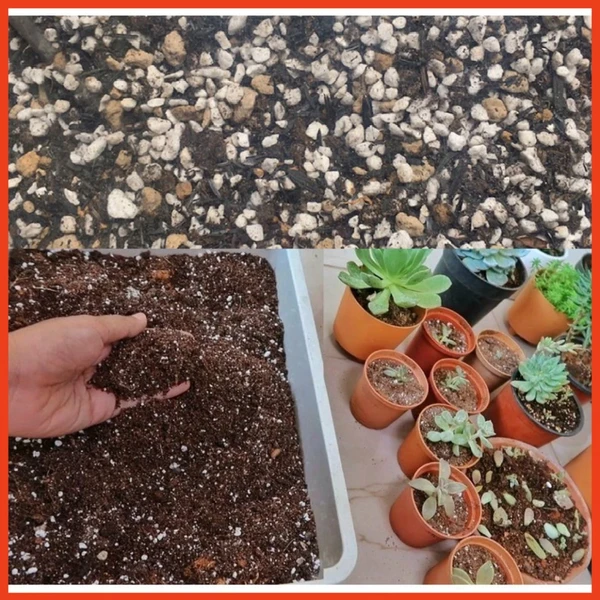
Dớn Chile 100gram ( giá thể trồng lan ), Dớn Chi Lê,Vật…

OSMOCOTE 14-14-14 1 kg Phân tan chậm nhập khẩu Nerther…
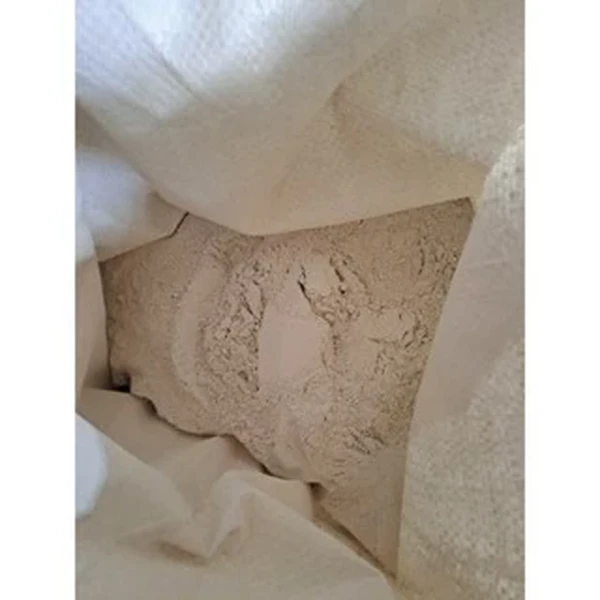
20kg Vôi Bột Nông Nghiệp Đã Qua Xử Lý Dùng Để Cải Tạo Đ…

Phân trùm quế cao cấp sfarm dạng bột đã qua xử lí Pb01 …
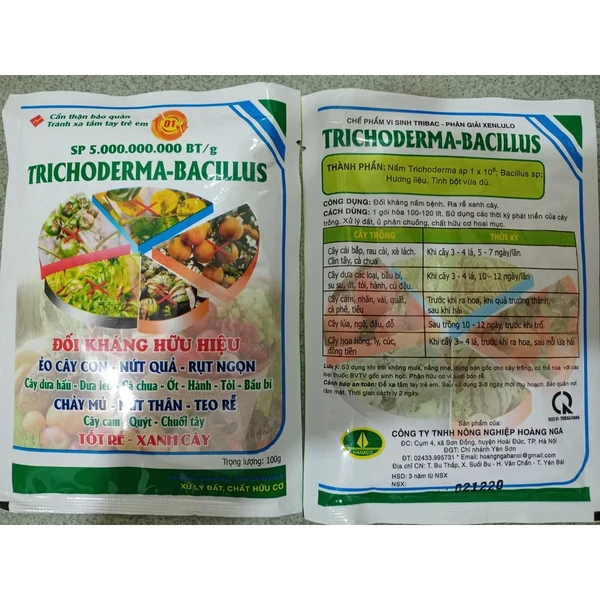
Chế phẩm sinh học Nấm Trichoderma – Bacillus (Nấm đối k…

Đá khoáng Masato Hàn Quốc – rải mặt chậu sen đá, xương …
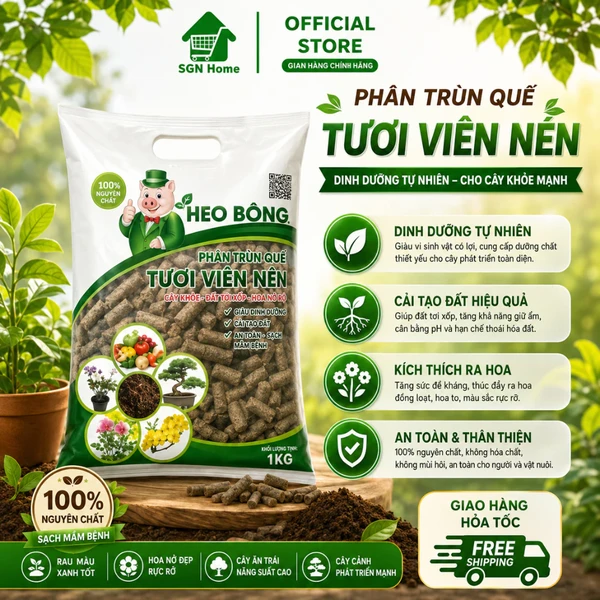
Phân Trùn Quế Tươi dạng viên nén HEO BÔNG – Phân hữu cơ…
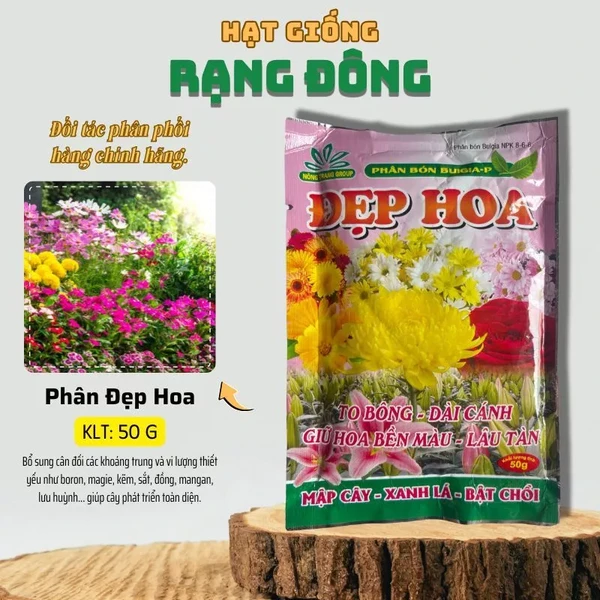
Phân Bón Đẹp Hoa Nông Trang (Gói 50g) NPK 8-6-8 Siêu Dư…

Keo liền sẹo đen Mỹ tiến mau liền sẹo, bảo vệ vết cắt c…
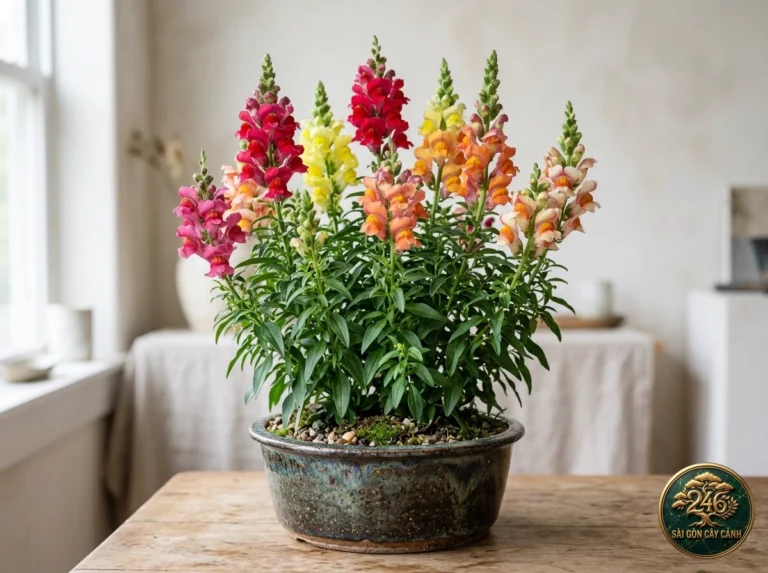
Snapdragon (Antirrhinum majus)
Snapdragon (Antirrhinum majus) Antirrhinum majus, universally celebrated as snapdragon or dragon flower, is an aristocratic and dramatically sculpted...
Read Monograph →
Cigar plant
Cuphea ignea, universally celebrated in tropical horticulture as the cigar plant, firecracker plant, or Mexican cigar flower, is...
Read Monograph →
Firecracker plant
Russelia equisetiformis, celebrated universally across tropical horticulture as the firecracker plant, coral plant, or fountain plant, is an...
Read Monograph →
Pink kopsia
Kopsia fruticosa, celebrated across tropical Asia as pink kopsia, shrub vinca, or pink gardenia, is an aristocratic, fragrant...
Read Monograph →Expert Q&A, Recommended Supplies & Article Feedback
Tap once to connect instantly via Google, Facebook or TikTok — no long forms required!
No questions yet for this article. Tap Google / Facebook / TikTok above to ask the first question!