
Living plant profile
Beach morning glory (Ipomoea pes-caprae)
Ipomoea pes-caprae
📌 CLINICAL & BIOLOGICAL ABSTRACT — Beach morning glory (Ipomoea pes-caprae)Beach morning glory (Ipomoea pes-caprae) Ipomoea pes-caprae, celebrated universally as beach morning glory, goat’s foot creeper, or railroad vine, is an indestructible, succulent creeping perennial herbaceous vine within the morning glory family (Convolvulaceae). Pantropically distributed across maritime sand dunes, it is acclaimed worldwide for its […]

Beach morning glory (Ipomoea pes-caprae)
Ipomoea pes-caprae, celebrated universally as beach morning glory, goat’s foot creeper, or railroad vine, is an indestructible, succulent creeping perennial herbaceous vine within the morning glory family (Convolvulaceae). Pantropically distributed across maritime sand dunes, it is acclaimed worldwide for its extensive trailing stolons stretching over 30 meters that form an interwoven living geotextile, studded with captivating funnelform flowers 5 to 7 cm across in luminous shades of lavender-pink and magenta with a deep wine-purple throat that open majestically at dawn. Its thick succulent leaves are notched at the apex resembling a cloven goat’s hoof, coated in reflective cuticular wax that defies scorching solar radiation and saline coastal gales. Within Saigon Cay Canh landscape architecture, beach morning glory embodies unyielding tenacity and ecological guardianship, serving as the premier dune-stabilizing groundcover for luxury beachfront retreats.
Sài Gòn Cây Cảnh Care Compass
1. Botanical Identity & Taxonomic Nomenclature History
Ipomoea pes-caprae was formally placed into its accepted generic classification by Scottish botanist Robert Brown in 1818, building upon Carl Linnaeus’s 1753 baseline description Convolvulus pes-caprae in Species Plantarum. The generic name Ipomoea derives from Greek ips (‘bindweed or woodworm’) and homoios (‘resembling’), referencing the twining habit of the genus. The specific epithet pes-caprae is derived from Latin pes (‘foot’) and capra (‘goat’), masterfully depicting the bilobed, notched leaf apex that mirrors a cloven goat’s footprint.
Pantropically distributed across oceanic dunes of the Pacific, Indian, and Atlantic Oceans, its buoyant, seawater-resistant seeds drift thousands of nautical miles across ocean currents without losing viability, earning it the title of primary coastal guardian. Across Vietnam’s extensive coastline from Tra Co to Cape Ca Mau, beach morning glory is deeply rooted in coastal culture as a traditional remedy for jellyfish stings and an indispensable ecological stabilizer deployed by Saigon Cay Canh in beachfront hospitality design.
2. Morphological Architecture & Anatomical Characteristics

Morphologically, Ipomoea pes-caprae develops as a rampant, prostrate stoloniferous perennial herbaceous vine sprawling 10 to 30 meters across loose dunes with stems measuring 0.5 to 1.5 cm in thickness. Stems are cylindrical, purplish-green to reddish-brown, glabrous, and exude a translucent milky latex; each node contacting sandy substrate anchors a vigorous cluster of adventitious roots. Foliage is alternately arranged; stout petioles 3 to 10 cm long feature a pair of prominent extrafloral nectaries; blades are suborbicular to broadly elliptic, 6 to 12 cm long by 5 to 10 cm wide, succulent, and thick. The distinguishing diagnostic hallmark is the deeply emarginate, two-lobed apex resembling a cloven goat’s hoof, with entire margins rendered in glossy bright green cloaked in a thick reflective cutin layer that drastically curtails transpirational desiccation.
Inflorescences arise axillary as solitary blossoms or few-flowered cymes elevated on peduncles 4 to 10 cm long. The corolla is a magnificent campanulate-funnelform tube 5 to 7 cm long with a flaring limb 5 to 8 cm wide, saturated in luminous shades of lavender-pink, rose-purple, or magenta with an intense dark wine-purple throat; 5 unequal stamens are inserted at the corolla base. Flowers open at sunrise and close by midday. The fruit is a subglobose, dehiscent four-valved capsule 1.2 to 1.8 cm across containing 4 large dark brown seeds covered in dense velvety tomentum that imparts buoyancy for ocean dispersal.
3. Photobiology & Photosynthetic Energy Thresholds
Ipomoea pes-caprae is an obligate heliophyte demanding intense, unfiltered direct sunlight with luminous intensities between 50,000 and 90,000 lux. A daily duration of at least 6 to 8 hours of intense direct solar exposure is mandatory on coastal sands; searing sunlight and maritime winds stimulate stolon lignification, enhance foliar succulence, and trigger daily flushes of dawn trumpets.
Under shaded conditions or urban light deprivation below 25,000 lux, runners become spindly and etiolated, succulent leaves thin out, and blooming stops completely. The species exhibits phenomenal hardiness against tropical heat exceeding 40 degrees C and aerosol sea salt, sustained by deep sand-binding taproots and specialized cuticular wax barriers.
4. Mineral Substrate Mechanics & Root Aeration Dynamics
The root architecture of beach morning glory comprises deep vertical taproots extending meters deep paired with an interwoven web of adventitious nodal roots, requiring coarse littoral sands and gravelly mediums engineered for rapid gravity drainage without pooling. Stagnant freshwater waterlogging persisting beyond 24 hours suffocates delicate feeder rootlets, inducing sudden shoot wilt and fatal root rot.
The benchmark potting substrate crafted by Saigon Cay Canh contains 60% coarse horticultural sand or desalinated beach sand, 20% carbonized rice hulls for root zone aeration, 15% washed coco coir, and 5% Trichoderma-fortified aged vermicompost. Soil pH is maintained within 6.5 to 8.0. Planters and seaside dunes must incorporate reliable, free-flowing drainage gradients.
5. Irrigation Regimes & Substrate Hydrology
Equipped with succulent water-storing leaves and deep sand-penetrating roots, Ipomoea pes-caprae demonstrates exceptional drought tolerance, requiring minimal supplemental irrigation once established. The baseline watering protocol mandates soaking the root zone thoroughly at dawn only after the upper 4 to 5 cm of sandy substrate dries completely. In dry summer heat, irrigate every 2 to 3 days; during monsoon periods, suspend watering entirely.
Deliver water directly to the soil perimeter; avoid blasting overhead water into open funnel blossoms. Following severe downpours, verify that drainage trenches around garden beds remain completely unobstructed to permit instantaneous drainage.
6. Mineral Nutrition & Phenological Fertilization Schedule
Accustomed to nutrient-starved maritime dunes, beach morning glory demands minimal supplemental fertilization; excessive nitrogen induces unruly vegetative stolons at the expense of blossom counts. Top-dress with aged vermicompost or slow-release organic pellets (NPK 6-8-12) every two months at a modest rate of 0.5 kg worked into the root zone.
During active floral bud flushes, drench roots with a water-soluble balanced formula (NPK 15-20-25 or NPK 16-16-16) at 1.0 gram per liter every 15 to 20 days. Complement with foliar sprays rich in chelated calcium, boron, and organic silica monthly to fortify stolon rigidity against coastal gales.
7. Propagation Protocols & Germplasm Preservation
Ipomoea pes-caprae propagates with extraordinary ease via creeping stolon cuttings with a 100% rooting success rate, or from scarified seed. Propagation can proceed year-round in warm tropical climates. Select vigorous semi-mature runners 20 to 30 cm long possessing 2 to 3 healthy nodes with emerging rootlets. Using shears sanitized with 70% medical alcohol, make clean cuts and strip lower foliage.
Insert the runners horizontally 3 to 5 cm deep into moist sharp sand. Maintain in bright shade with gentle misting; within merely 5 to 7 days, robust adventitious root networks establish and vigorous shoots initiate rapid sprawling growth.
8. Biochemical Toxicology & Pet Biosafety (ASPCA Compliance)
Botanical safety profile and ASPCA pet safety standards: Classified within the Convolvulaceae family, Ipomoea pes-caprae is recognized as completely NON-TOXIC and safe around companion animals (dogs, cats, horses) and humans under standard ASPCA toxicological benchmarks. Unlike certain morning glory relatives whose seeds synthesize hallucinogenic ergoline alkaloids, beach morning glory is entirely free of these dangerous compounds.
In coastal ethnobotany, crushed fresh leaves are traditionally applied topically to soothe pain and swelling from marine jellyfish stings. Accidental brushing or nibbling by domestic pets provokes zero toxicological harm or physiological distress. Horticulturists should trim unruly runners, sanitize cutting shears with 70% medical alcohol, and maintain routine biophilic hygiene to keep plantings flourishing safely.
9. Clinical Pathology Diagnostics & Therapeutic Protocols
Pathology diagnostic protocol for dry-season spider mite suppression and dune-stabilizing vegetative runner care in Ipomoea pes-caprae:
| Clinical Symptom | Etiological Cause | Standard Treatment Protocol |
|---|---|---|
| Runners stretch excessively into weak leggy stems, internodes elongate, leaves thin, and blooming fails | Severe solar deficiency caused by positioning in dense shade below 25,000 lux for extended periods | Relocate coastal runner to full 100% seaside sunshine, pruning weak elongated vine segments |
| Foliage displays silvery stippling, turns mottled yellow, and fine webbing develops on leaf undersides | Tetranychus urticae spider mite infestation sucking epidermal sap during prolonged arid spells | Syringe leaf undersides vigorously with fine water spray at dawn, followed by two applications of cold-pressed neem oil |
| Potting soil is waterlogged, lower leaves turn yellow and drop prematurely, and shoots wilt | Root asphyxiation and rot induced by poor drainage or clogged container drainage ports | Suspend watering immediately, clear container drainage holes, aerate surface soil, and drench with Trichoderma |
10. Comparative Morphology & Sympatric Differentiation
Taxonomic comparative matrix distinguishing succulent bilobed goat-foot foliage and extreme maritime salt tolerance of Ipomoea pes-caprae:
| Diagnostic Trait | Ipomoea pes-caprae (Beach morning glory) | Comparative Taxon A | Comparative Taxon B |
|---|---|---|---|
| Corolla Architecture and Coloration | Funnelform corolla 5 to 7 cm across in lavender-pink with a dark wine-purple throat opening at dawn | Trumpet-shaped fused corollas in vibrant polychrome stripes opening late at 4 PM with sweet evening perfume | Ultra-thin satiny bracts in pure magenta-pink enclosing tiny yellow blooms, thriving in daytime full sun |
| Foliage Shape and Cuticular Texture | Thick succulent leaves deeply notched at apex like a cloven goat’s hoof, coated in reflective cutin | Ovate to subcordate succulent leaves arranged in opposite pairs along swollen dichotomous stems | Broad ovate leaves in lustrous emerald green borne along vigorous climbing stems armed with axillary spines |
| Companion Animal Safety and ASPCA Profile | NON-TOXIC (certified completely benign and safe for companion animals under ASPCA non-toxic benchmarks) | TOXIC TO COMPANION PETS (tuberous rootstocks and black seeds contain trigonelline alkaloids causing severe emesis) | MILD MECHANICAL CAUTION (spines and sap pose mechanical irritation risks but plant lacks systemic toxins) |
11. Symbolic Heritage, Biophilic Design & Architectural Placement

Within botanical symbolism and biophilic architectural aesthetics, beach morning glory stands as an illustrious emblem of unyielding endurance, triumphant resilience through coastal storms, devoted solidarity, and steadfast protective guardianship. Its lush emerald mat studded with dawn-blooming lavender trumpets introduces uplifting vital energy, inspiring hope and inviting harmonious abundance.
Boasting an expansive stoloniferous habit and peerless maritime salt endurance, Ipomoea pes-caprae serves as the premier landscape choice: stabilizing coastal sand dunes against marine erosion, greening seaside stone embankments across luxury beach resorts, trailing from sunny southern verandas, or cascading from hanging baskets.
12. SGCC Acclimatization Benchmarks & Quality Guarantee

Saigon Cay Canh delivers magnificent, nursery-grown specimens of pure Ipomoea pes-caprae cultivars, featuring dense branching runners, established root systems, and abundant floral buds prepared to burst into vibrant coastal carpets across beachfront estate landscapes and luxury seaside resorts.
We provide 100% botanical taxonomic verification, comprehensive plant health warranties, prompt large-scale delivery services, and dedicated coastal greening advisory for luxury private estates and beachfront hospitality venues.
💬 Góc Tư Vấn & Hướng Dẫn Kỹ Thuật SGCC
Chuẩn E-E-A-T Kinfolk❓ Chăm sóc Beach morning glory (Ipomoea cần lưu ý điều gì quan trọng nhất?
💡 Dạ điều quan trọng nhất là giữ môi trường sống ổn định, tránh sốc nhiệt hay dao động thông số đột ngột, đồng thời cung cấp khẩu phần ăn sạch và tươi mới ạ.
❓ Làm thế nào để phòng ngừa bệnh tật hiệu quả cho các bé?
💡 Dạ anh chị nên giữ vệ sinh chuồng/hồ nuôi sạch sẽ, thay nước hoặc dọn dẹp định kỳ và bổ sung vitamin, men tiêu hóa đều đặn để tăng sức đề kháng ạ.
🌿 Trang Thiết Bị, Đất Trồng & Dụng Cụ Bonsai Tuyển Chọn
Dụng cụ tỉa, giá thể hữu cơ & phân bón chuyên dụng cho cây cảnh.

Remitglory Dính Nặng Thép Không Gỉ Móc Trần Không Khoan…

Thuốc Kích Rễ N3M {100G} – Phân Bón Ra Rễ Cực Mạnh, Thu…

Đôn gỗ đựng cây cảnh, Kệ gỗ kê chậu hoa, giá gỗ để chậu…

XẺNG ( BAY) INOX LÀM VƯỜN siêu bền không gỉ sét
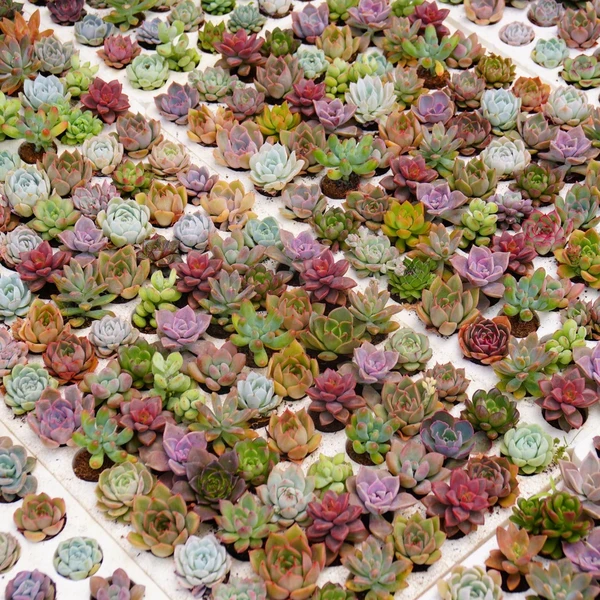
Sen đá vỉ 3-5cm mix 84 cây sen đá mini đủ loại Mix màu …

Phân trùn quế MONROVIA – 100% nguyên chất, viên nén tan…
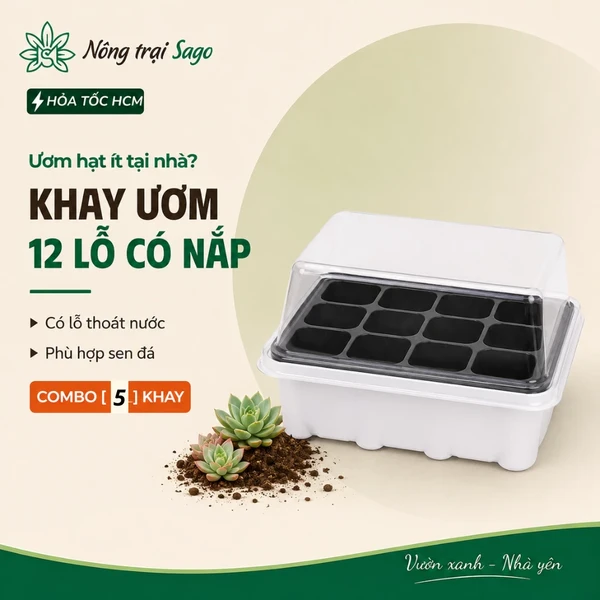
Khay Ươm Hạt Giống (12 Lỗ) Có Nắp – Ngăn Côn Trùng Chịu…
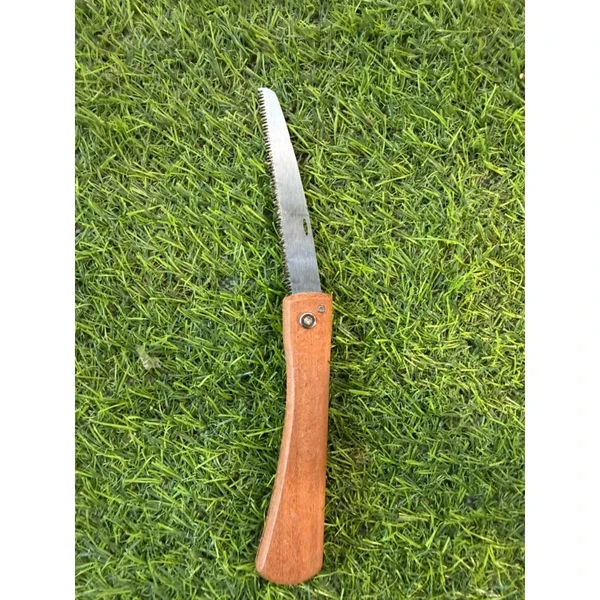
Cưa Nách Gấp Gọn 10cm Lưỡi Thép Sắc Bén – Cưa Cành Cây,…
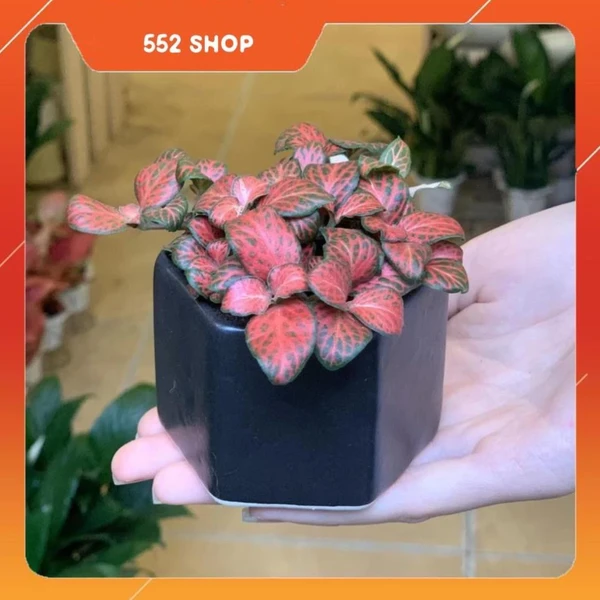
Cây Cẩm Nhung – 6x6x8 Cm – Cây Mini Để Bàn & Chậu G…

Chậu trồng cây men sôi, chậu cây mini siêu xinh, chậu s…

Dao ghép cây ghép cành cán gỗ chuyên dụng sắc bén
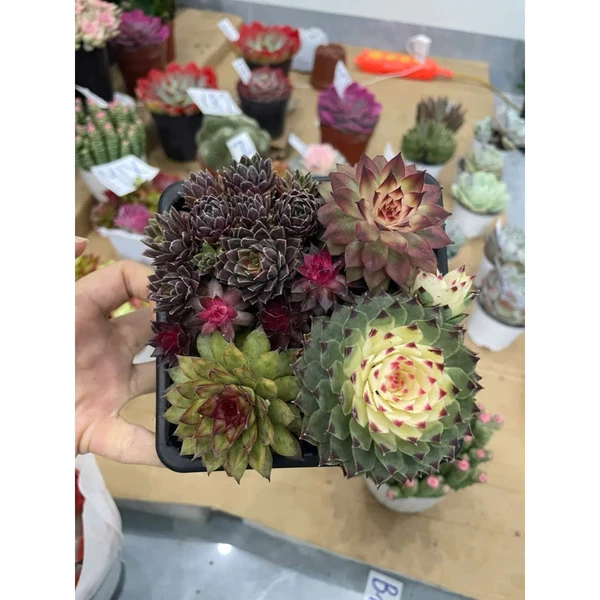
N.A shop-Chậu Sen Đá Phật Bà Mix Nhiều Loại Cây Khoẻ Bề…

Busy Lizzie (Impatiens walleriana)
Busy Lizzie (Impatiens walleriana) Impatiens walleriana, internationally celebrated as busy Lizzie, sultana, or patient Lucy, is a luxuriant...
Read Monograph →
Globe amaranth (Gomphrena globosa)
Globe amaranth (Gomphrena globosa) Gomphrena globosa, universally celebrated as globe amaranth, bachelor’s button, or immortelle, is a charming...
Read Monograph →
Wingpod purslane (Portulaca umbraticola)
Wingpod purslane (Portulaca umbraticola) Portulaca umbraticola, widely known as wingpod purslane, ornamental purslane, or broadleaf moss rose, is...
Read Monograph →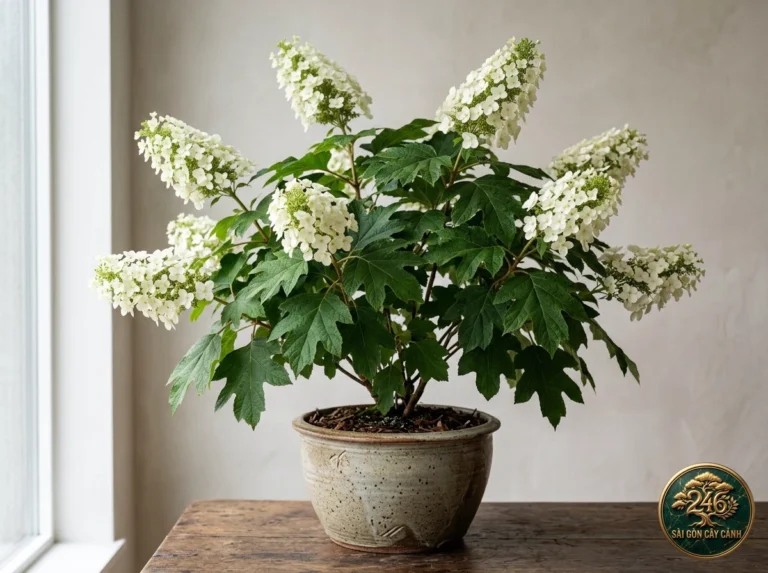
Oakleaf hydrangea (Hydrangea quercifolia)
Oakleaf hydrangea (Hydrangea quercifolia) Hydrangea quercifolia, internationally celebrated as oakleaf hydrangea, is an awe-inspiring, structurally dramatic deciduous flowering...
Read Monograph →Expert Q&A, Recommended Supplies & Article Feedback
Tap once to connect instantly via Google, Facebook or TikTok — no long forms required!
No questions yet for this article. Tap Google / Facebook / TikTok above to ask the first question!