
Living plant profile
Angel’s trumpet (Brugmansia suaveolens)
Brugmansia suaveolens
📌 CLINICAL & BIOLOGICAL ABSTRACT — Angel’s trumpet (Brugmansia suaveolens)Angel’s trumpet (Brugmansia suaveolens) Brugmansia suaveolens, globally celebrated as angel’s trumpet, snowy angel’s trumpet, or tears of angel, is an awe-inspiring woody ornamental shrub or small arborescent perennial within the Solanaceae family. Native to southeastern Brazilian coastal forests, it commands legendary admiration for its colossal pendulous […]

Angel’s trumpet (Brugmansia suaveolens)
Brugmansia suaveolens, globally celebrated as angel’s trumpet, snowy angel’s trumpet, or tears of angel, is an awe-inspiring woody ornamental shrub or small arborescent perennial within the Solanaceae family. Native to southeastern Brazilian coastal forests, it commands legendary admiration for its colossal pendulous blossoms measuring 25 to 35 cm in length, hanging in graceful cascades like angelic gowns rendered in pristine snowy-white, buttery-cream, or delicate peach tones, exhaling an intensely intoxicating, musky-sweet perfume upon nightfall. Despite its ethereal magnificence, the entire plant synthesizes potent tropane alkaloids. Positioned as a dramatic living centerpiece, it brings unparalleled tropical luxury and horticultural drama to premier garden estates.
Sài Gòn Cây Cảnh Care Compass
1. Botanical Identity & Taxonomic Nomenclature History
Brugmansia suaveolens was initially collected by celebrated explorers Alexander von Humboldt and Aime Bonpland and documented in 1809 by Carl Ludwig Willdenow as Datura suaveolens. In 1823, Czech botanists Friedrich von Berchtold and Jan Svatopluk Presl formally transferred the taxon to the segregated genus Brugmansia. The generic name honors Sebald Justinus Brugmans (1763–1819), professor of natural history and medicine at Leiden University. The specific epithet suaveolens derives from Latin suavis meaning ‘sweet’ and olens meaning ‘fragrant’, celebrating the intoxicating nocturnal perfume emitted by its pendulous corollas.
Native to the moist coastal lowlands of southeastern Brazil, angel’s trumpet held profound shamanic significance among indigenous Amazonian cultures. Introduced to European botanical conservatories and Asian tropical estates, Brugmansia suaveolens achieved premier status as an aristocratic landscape accent, celebrated around garden terraces, courtyard fountains, and luxury tropical estates in Dalat and southern Vietnam.
2. Morphological Anatomy & Structural Architecture

Morphologically, Brugmansia suaveolens develops as a large, semi-woody arborescent shrub or small evergreen tree attaining heights of 3.0 to 5.0 meters with an expansive canopy spreading 2.5 to 4.0 meters. The main trunk branches low; the bark is smooth, greyish-tan, supporting stout, green succulent-woody branchlets marked with pale lenticels. Leaves are alternately arranged; blades are oblong-ovate to elliptic, measuring 15 to 30 cm long by 8 to 15 cm wide, with long-acuminate apices, cuneate bases, and entire to repand margins. The upper lamina is vivid emerald green and glabrous, while the undersurface is paler and finely puberulent, borne on stout petioles 4 to 10 cm long.
Blossoms emerge solitary and hang strictly pendulous from branch nodes on stout pedicels 3 to 6 cm long. The calyx is tubular, 9 to 12 cm long, inflated medially with five short apical teeth. The colossal pendulous corolla spans 25 to 35 cm in length, expanding into a flaring 5-lobed limb 12 to 18 cm in diameter, each lobe terminating in a slender recurved tail 1.5 to 2.5 cm long. Petals open in pristine alabaster-white, aging to rich buttercream or blushing pale peach. While partially relaxed during daylight, the corolla flares fully at dusk, releasing an intoxicating nocturnal perfume enriched with aromatic monoterpenes. The fruit is a smooth, spindle-shaped green berry 10 to 14 cm long lacking spines, enclosing numerous rugged brownish seeds.
3. Solar Irradiance Thresholds & Photosynthetic Dynamics
Brugmansia suaveolens is an adaptable heliophyte thriving in full sun to bright partial shade, performing best under luminous levels between 35,000 and 65,000 lux. Direct morning solar exposure of at least 4 to 6 hours daily is critical to fuel carbohydrate reserves for its colossal pendulous blossoms.
Under scorching unshielded midday sun exceeding 40 degrees C, large leaves flag temporarily and delicate petal margins may scorch; conversely, in deep shade below 20,000 lux, growth becomes leggy with zero flower bud formation. An optimal microclimate offers generous morning insolation paired with dappled canopy shade during harsh afternoon hours.
4. Mineral Substrate Mechanics & Root Aeration Porosity
The root system of angel’s trumpet combines deep-penetrating woody structural roots with dense lateral feeder mats, demanding deep, friable topsoil packed with organic humus and rapid gravity drainage without pooling. Stagnant saturated conditions lasting beyond 48 hours suffocate primary root tissue, inciting Phytophthora collar rot and catastrophic leaf abscission.
The benchmark potting formulation engineered by Saigon Cay Canh includes 40% clean alluvial loam, 25% carbonized rice husks for aeration, 20% washed coco coir, 10% Trichoderma-fortified composted cow manure, and 5% horticultural perlite or pumice. Soil pH is maintained within 6.0 to 6.8. Planting pits and oversized containers must feature a 10 cm basal drainage layer of coarse gravel.
5. Hydraulic Equilibria & Irrigation Regimens
With its massive vegetative stature and continuous flushes of giant flowers actively transpiring, Brugmansia suaveolens is intensely thirsty throughout warm growing flushes. The baseline protocol maintains substrate moisture steadily between 65% and 75%, delivering a deep drench around the root zone every morning at dawn. During hot arid weather, a second evening irrigation is highly beneficial.
Deliver water directly to the soil perimeter; avoid spraying into pendulous downward-facing corollas in late afternoons, which causes blossom blight and diminishes nocturnal scent projection. During prolonged monsoons, maintain unobstructed perimeter drainage trenches.
6. Nutrient Biogeochemistry & Fertilization Protocols
To nourish and support colossal 35 cm cascading floral trumpets blooming profusely across the canopy, Brugmansia suaveolens requires abundant, regular mineral nutrition. Top-dress with aged vermicompost or slow-release organic pellets (NPK 6-8-12) monthly at 1 to 2 kg worked gently into the perimeter drip line.
During active vegetative growth and floral bud evocation, apply a water-soluble balanced formula (NPK 15-20-25 or NPK 16-16-16) at 2 grams per liter every 10 to 12 days. Supplement with foliar sprays rich in chelated calcium, boron, and magnesium every 20 days to ensure pedicel tensile durability, supporting pendulous floral displays without premature bud drop.
7. Clonal Propagation & Germplasm Conservation
Brugmansia suaveolens propagates with consummate ease through semi-hardwood or hardwood stem cuttings, achieving rooting success exceeding 95%. The ideal season spans warm spring or early monsoon months. Select vigorous thumb-thick shoots 15 to 25 cm long with 3 to 4 nodes. Using shears sanitized with 70% medical alcohol, make a 45-degree angle cut below the basal node and remove all mature foliage, leaving only 1 to 2 apical leaves.
Dip the basal cut into 1,000 ppm IBA rooting powder for several seconds and insert 6 to 8 cm deep into moist sharp sand and coco coir. Maintain under 50% shade with consistent fine misting; vigorous adventitious white root systems emerge within 14 to 18 days, followed by rapid upward vegetative growth.
8. Phytochemical Toxicity & Pet Safety Standards (ASPCA)
Botanical safety profile and ASPCA pet safety standards: Classified within the Solanaceae family, Brugmansia suaveolens is officially ranked as EXTREMELY TOXIC and dangerous to companion animals under ASPCA toxicological registries. Every vegetative part—including woody stems, foliage, pendulous flowers, seeds, and sap—synthesizes dangerous concentrations of toxic tropane alkaloids, dominated by scopolamine (hyoscine), atropine, and hyoscyamine.
Accidental ingestion by dogs, cats, horses, or humans induces a profound anticholinergic toxidrome characterized by extreme unresponsive mydriasis, severe xerostomia, cardiac tachycardia, terrifying hallucinations, muscular ataxia, violent convulsions, and fatal respiratory paralysis without immediate clinical intervention and physostigmine antidotal therapy. In enclosed areas, the potent nocturnal fragrance may provoke cephalalgia and vertigo. Consequently, angel’s trumpet MUST be sited strictly in well-ventilated outdoor garden zones beyond reach of pets. Gardeners must don gloves during pruning and sanitize shears with 70% medical alcohol.
9. Clinical Pathology Diagnostics & Treatment Strategies
Pathology diagnostic protocol for Phytophthora collar rot prevention and bloom nutrition in Brugmansia suaveolens:
| Clinical Manifestation | Etiological Cause | Standard Treatment Protocol |
|---|---|---|
| Foliage displays yellow stippling, fading into mottled silver with fine webbing underneath | Tetranychus urticae spider mite infestation sucking sap during hot, dry atmospheric conditions | Syringe leaf undersides vigorously with fine water spray at dawn, followed by two applications of horticultural mineral oil or emulsified neem oil |
| Developing pendulous flower buds turn yellow and abort heavily before opening | Thermal stress induced by localized root dehydration during dry spells combined with hot ambient winds | Water deeply at dawn, apply wood chip mulch over root zone to conserve moisture, and provide partial midday shade |
| Pet exhibits acute dilated pupils, vomiting, pyrexia, and muscle tremors after consuming foliage | Poisoning from toxic tropane alkaloids (scopolamine, atropine) present in angel’s trumpet tissues | Transport pet immediately to emergency veterinary clinic with plant sample for physostigmine therapy, and isolate plant behind barrier |
10. Comparative Morphology & Allied Taxa Diagnosis
Taxonomic comparative matrix distinguishing massive pendulous bell corollas and nocturnal perfume of Brugmansia suaveolens:
| Diagnostic Parameter | Brugmansia suaveolens (Angel’s trumpet) | Comparative Specimen A | Comparative Specimen B |
|---|---|---|---|
| Floral Dimensions and Inflorescence Orientation | Colossal pendulous bell-shaped flower 25 to 35 cm long hanging gracefully downward in white, powerfully fragrant at night | Erect upward-facing trumpet flower 15 to 20 cm long in deep purple or alabaster, fragrant at dusk | Diminutive florets 3 to 5 cm across in dense flat-topped multi-colored umbels, flowering perpetually |
| Growth Habit and Structural Canopy | Large woody shrub or small arborescent tree 3 to 5 meters tall with broad arching crown | Stout erect semi-woody herbaceous shrub 1 to 2 meters high with purplish branchlets | Dense woody scrambling shrub 1 to 2 meters tall armed with small recurved prickles |
| Toxicological Hazard Profile to Pets | EXTREMELY TOXIC (contains tropane alkaloids scopolamine and atropine causing severe anticholinergic poisoning) | EXTREMELY TOXIC (contains scopolamine and hyoscyamine inducing violent neurological distress) | TOXIC (synthesizes lantadene triterpenoids causing hepatobiliary injury and photosensitization) |
11. Biophilic Design Harmony & Contemporary Spatial Aesthetics

Within architectural landscape design and regal biophilic philosophy, angel’s trumpet symbolizes celestial purity, serene peace, divine protection, and spiritual elevation through its immaculate white pendulous corollas evoking heavenly garments. Its rich nocturnal fragrance instills deep tranquility, dispelling stress and welcoming auspicious serenity into the domestic sanctuary.
Brugmansia suaveolens serves with dramatic elegance as a focal specimen in luxury villa landscapes, planted adjacent to reflective water features, framing tropical estate walkways, or showcased in substantial terracotta urns gracing elite resort courtyards.
12. Saigon Cay Canh Provenance & Cultivation Assurance

Saigon Cay Canh curates and delivers mature, vigorous specimens of Brugmansia suaveolens, featuring stout woody trunks, dense root systems, and lavish flushes of fragrant white pendulous trumpets for elite residential projects.
We provide 100% verified scientific taxonomy, comprehensive architectural canopy training advice, and dedicated plant vitality warranties across luxury private estates, boutique hotels, and premier tropical resorts.
💬 Góc Tư Vấn & Hướng Dẫn Kỹ Thuật SGCC
Chuẩn E-E-A-T Kinfolk❓ Chăm sóc Angel’s trumpet (Brugm cần lưu ý điều gì quan trọng nhất?
💡 Dạ điều quan trọng nhất là giữ môi trường sống ổn định, tránh sốc nhiệt hay dao động thông số đột ngột, đồng thời cung cấp khẩu phần ăn sạch và tươi mới ạ.
❓ Làm thế nào để phòng ngừa bệnh tật hiệu quả cho các bé?
💡 Dạ anh chị nên giữ vệ sinh chuồng/hồ nuôi sạch sẽ, thay nước hoặc dọn dẹp định kỳ và bổ sung vitamin, men tiêu hóa đều đặn để tăng sức đề kháng ạ.
🌿 Trang Thiết Bị, Đất Trồng & Dụng Cụ Bonsai Tuyển Chọn
Dụng cụ tỉa, giá thể hữu cơ & phân bón chuyên dụng cho cây cảnh.

Chậu hoa giả đá Trang trí kèn trumpet Chậu hoa Trang tr…

ĐẤT NUNG IBARAKI AKADAMA NHẬT BẢN Sz 3-6mm 14L

GrowMore NPK 30-10-10 +TE 100gr – Phân bón lá Grow More…
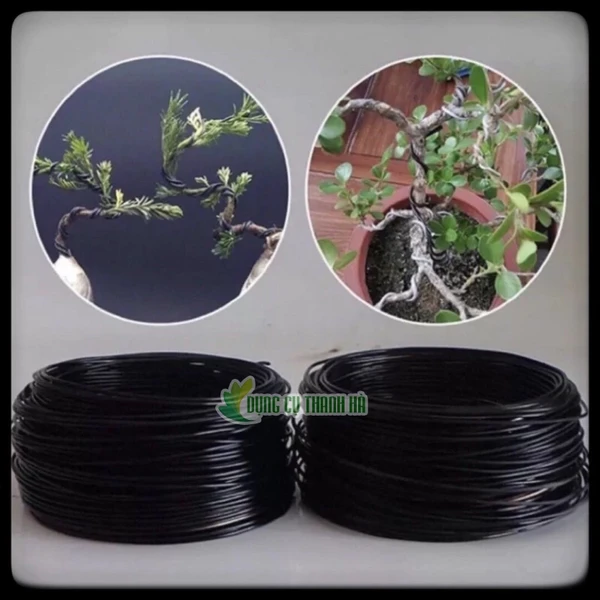
Dây nhôm uốn cây, dây nhôm đen uốn cây cảnh, tạo dáng c…
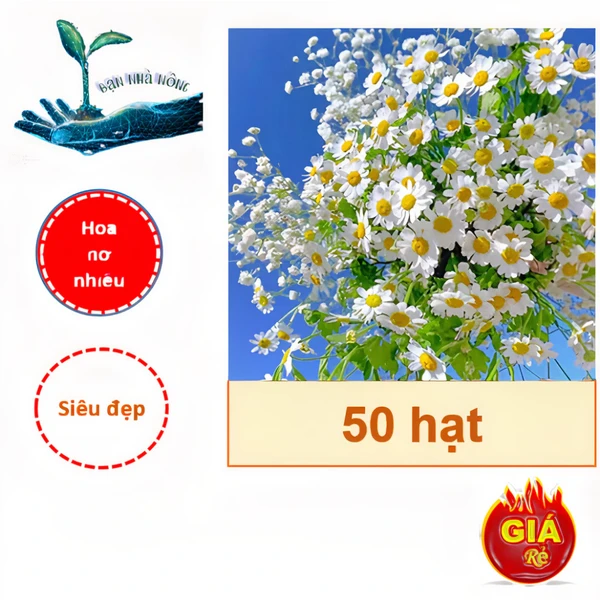
Hạt giống hoa cúc họa mi ( Gói 50 hạt) – Trắng tinh khô…
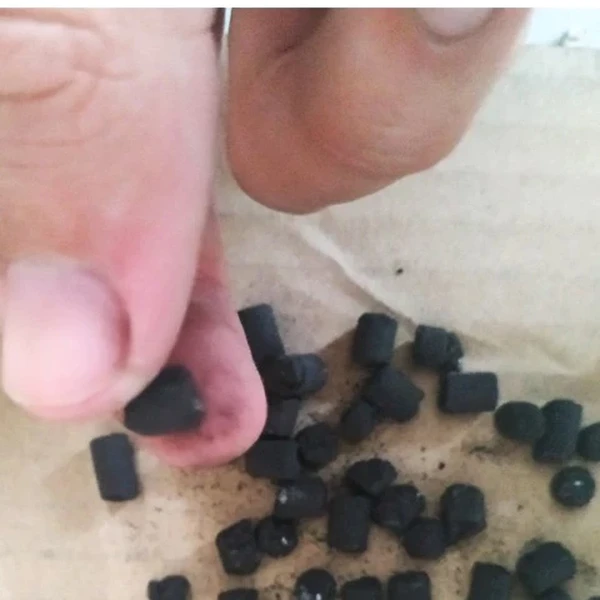
{1kg} Phân trùn quế viên nén – Phân trùn quế cho h…
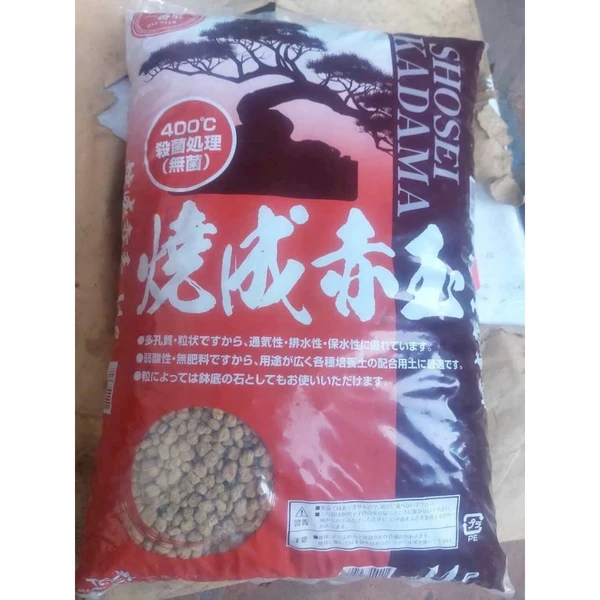
AKADAMA 400 ĐỘ C – ĐẤT NUNG NHẬT BẢN (SIZE M TO 6-12mm)

CHẾ PHẨM TRICHODERMA 20 TỶ BÀO TỬ GÓI 150G HOÀNG NGA- G…

Combo Cưa cắt cành Nhật Bản (35cm) + Kéo Cắt Cành SK5 N…

COMBO 2 BÁNH XƠ DỪA DẠNG NÉN TRÒN, ĐƯỢC SỬ DỤNG LÀM GIÁ…

Chậu Chữ Nhật Bo Góc Trồng Cây Mini bonsai tiểu cảnh – …

PHÂN BÓN LÁ NPK 30-10-10 +TE GROWMORE – USA (1kg) – Nân…

Globe amaranth (Gomphrena globosa)
Globe amaranth (Gomphrena globosa) Gomphrena globosa, universally celebrated as globe amaranth, bachelor’s button, or immortelle, is a charming...
Read Monograph →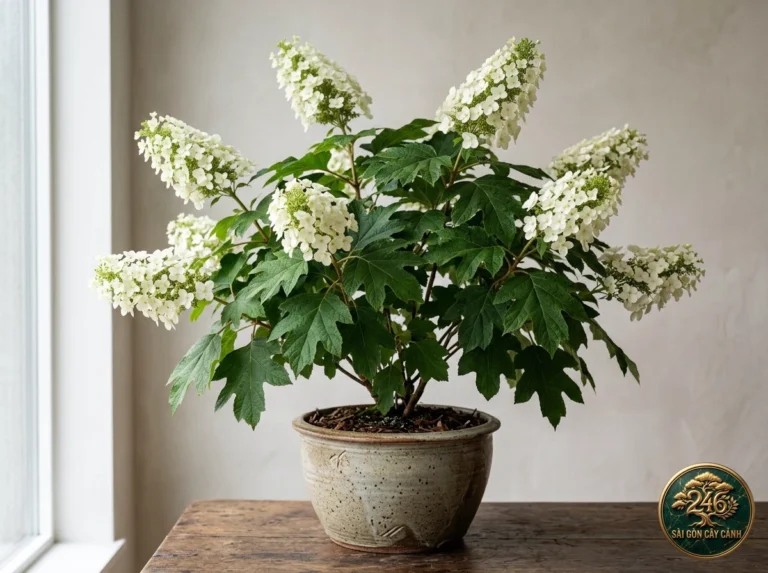
Oakleaf hydrangea (Hydrangea quercifolia)
Oakleaf hydrangea (Hydrangea quercifolia) Hydrangea quercifolia, internationally celebrated as oakleaf hydrangea, is an awe-inspiring, structurally dramatic deciduous flowering...
Read Monograph →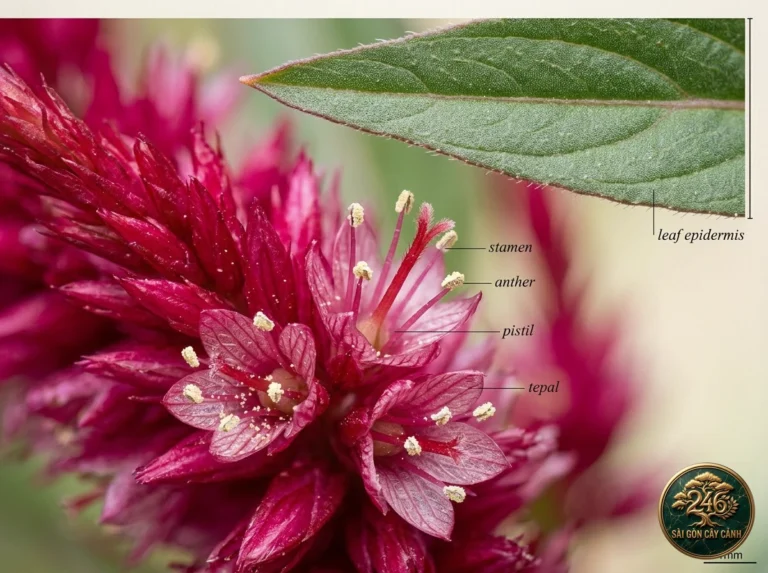
Plumed cockscomb (Celosia argentea)
Plumed cockscomb (Celosia argentea) Celosia argentea, encompassing both feathery plume cockscomb (var. plumosa) and undulating crested cockscomb (var....
Read Monograph →
Pinwheel flower
Tabernaemontana divaricata, universally revered across tropical Asia as pinwheel flower, crape jasmine, or East Indian rosebay, is an...
Read Monograph →Expert Q&A, Recommended Supplies & Article Feedback
Tap once to connect instantly via Google, Facebook or TikTok — no long forms required!
No questions yet for this article. Tap Google / Facebook / TikTok above to ask the first question!