
Living plant profile
Ghost echeveria
Echeveria lilacina
📌 CLINICAL & BIOLOGICAL ABSTRACT — Ghost echeveriaGhost echeveria (Echeveria lilacina) Ghost echeveria (botanical binomial: Echeveria lilacina) is a celebrated succulent specimen revered in botanical aesthetics and modern biophilic design belonging to the Stonecrop family (Crassulaceae). Ghost echeveria Echeveria lilacina of Nuevo León Mexico, featuring wide symmetrical rosettes of flat, spoon-shaped silvery-gray leaves suffused with […]
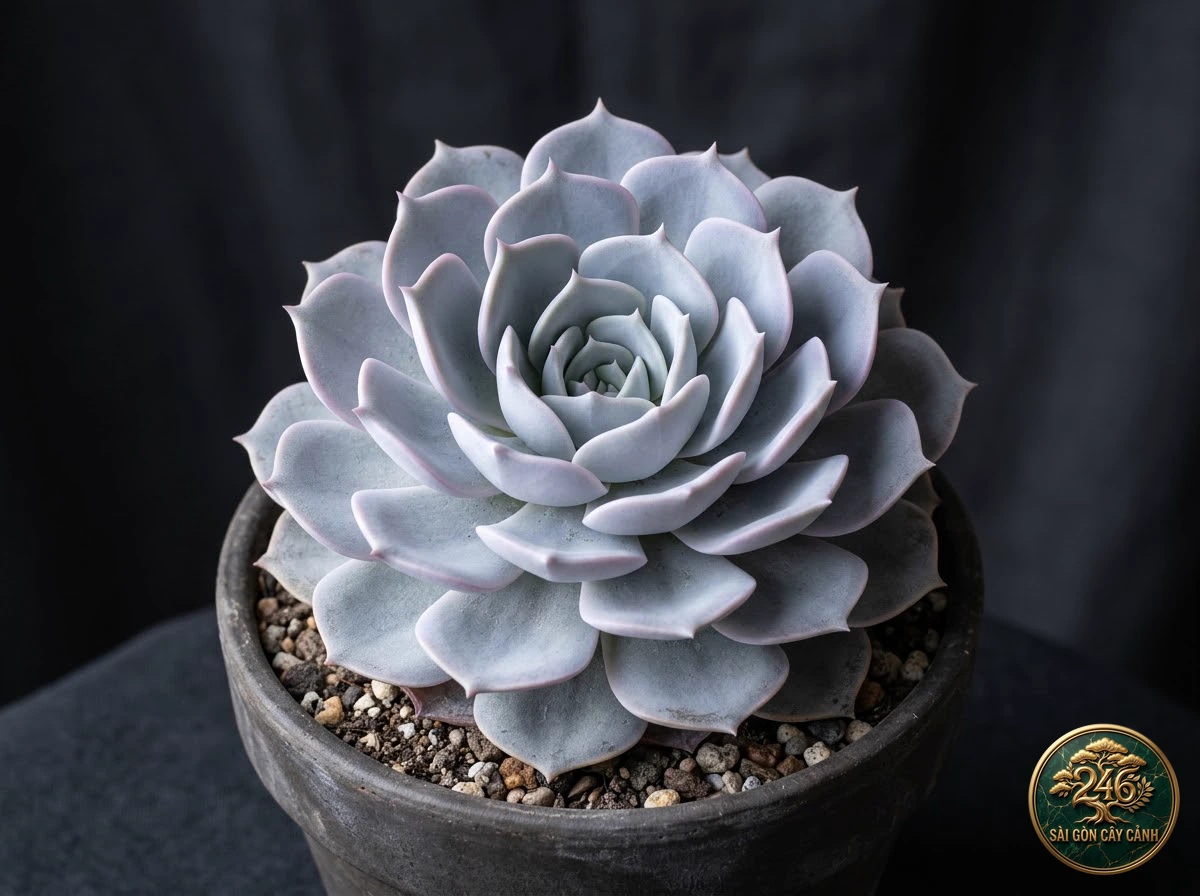
Ghost echeveria (Echeveria lilacina)
Ghost echeveria (botanical binomial: Echeveria lilacina) is a celebrated succulent specimen revered in botanical aesthetics and modern biophilic design belonging to the Stonecrop family (Crassulaceae). Ghost echeveria Echeveria lilacina of Nuevo León Mexico, featuring wide symmetrical rosettes of flat, spoon-shaped silvery-gray leaves suffused with an ethereal lilac-lavender glow.
Sài Gòn Cây Cảnh Care Compass
1. Taxonomy & Botanical Classification
| Scientific Name | Echeveria lilacina |
|---|---|
| Botanical Family | Stonecrop family (Crassulaceae) |
| Vietnamese Vernacular | Sen đá ma tím bóng ma |
| International Common Name | Ghost echeveria |
| Growth Habit | Succulent herbaceous perennial, fleshy water-storing foliage arranged in tight symmetrical rosettes or creeping stems |
| Light Requirement | Abundant morning sunlight (4,000 – 8,000 lux). |
| Watering Protocol | Even moisture, water when topsoil dries |
| Optimal Substrate | Porous, free-draining botanical substrate mix |
| Ideal Temperature | 18°C – 32°C (64°F – 90°F) |
| Ambient Humidity | 60% – 85% |
| Cultivation Difficulty | Easy to Moderate |
| Pet Safety | Non-toxic to pets according to ASPCA standards |
Echeveria lilacina is authoritatively indexed within the Royal Botanic Gardens, Kew (Plants of the World Online) under the Stonecrop family (Crassulaceae). It represents an evolutionary masterpiece of drought adaptation in succulent flora.
In native habitats across the semiarid Mexican plateaus, it clings to rocky limestone bluffs, thriving on sparse moisture and intense ambient light.
2. In-Depth Morphological Characteristics
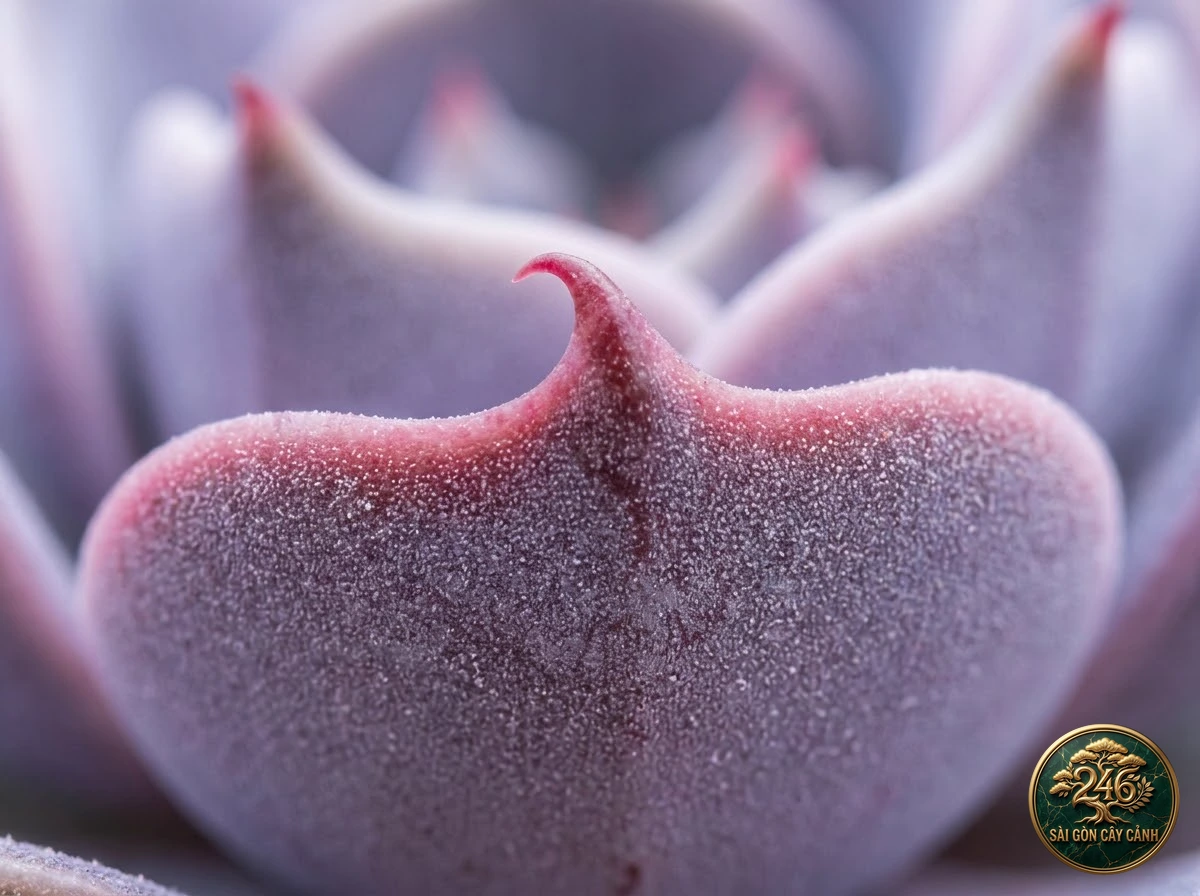
Ghost echeveria Echeveria lilacina of Nuevo León Mexico, featuring wide symmetrical rosettes of flat, spoon-shaped silvery-gray leaves suffused with an ethereal lilac-lavender glow.
Morphologically, the Fibonacci spiral geometry of Echeveria lilacina optimizes exposure to sunlight while minimizing self-shading across leaf whorls.
Its epicuticular farina acts as a natural biological sunscreen, reflecting harsh UV radiation and reducing transpiration loss.
3. Photobiology & CAM Photosynthesis Dynamics
Abundant morning sunlight (4,000 – 8,000 lux).
Utilizing Crassulacean Acid Metabolism (CAM), stomata open exclusively at night to capture carbon dioxide. Adequate solar exposure ensures tight rosette compactness and rich pigment synthesis.
4. Irrigation Architecture & Moisture Dynamics
Soak deeply when soil is completely dry; reduce watering in humid spells.
Adhere strictly to the ‘soak and dry’ philosophy: only water when the substrate is 100% bone-dry. Direct hydration to soil level, preventing standing water within the central leaf rosette.
5. Engineered Growing Media & Gritty Soil Mechanics
Gritty mineral mix, volcanic pumice, perlite, and castings.
Root systems necessitate near-instantaneous water drainage and high pore volume to avert anaerobic bacterial and fungal root rot pathogens.
6. Microclimate Thermals & Humidity Dynamics
Optimal ambient temperature ranges between 15°C – 32°C., coupled with relative air humidity sustained at 40% – 65%..
Active ventilation is paramount: continuous gentle airflow prevents stagnant heat accumulation and microclimatic moisture pockets.
7. Nutrition Architecture & Fertilization
Feed using low-nitrogen succulent fertilizers diluted to 1/4 strength every 2 to 3 months during the active growing flushes.
Refrain from high nitrogen formulas to avert etiolation and structural softness.
8. Maintenance Pruning & Propagation Protocols
Gently tweeze away desiccated basal leaves to sustain hygiene and discourage mealybug infestation around root flares.
Propagate via individual healthy leaf cuttings, stem beheading, or offsets separated during warm dry periods.
9. Integrated Pest Management & Diagnostics
Mealybugs harboring in leaf axes can be eliminated with 70% isopropyl alcohol on a cotton swab or preemptive organic cold-pressed neem treatments.
| Observed Symptom | Underlying Etiology | Remedial Corrective Action |
|---|---|---|
| Fleshy succulent leaves turn translucent, mushy and blacken | Overwatering inducing hypoxic root rot and bacterial decay | Cease watering immediately; unpot, excise rot, dry cut surfaces 3 days, repot in dry pumice |
| Stems become leggy, elongated, and rosettes lose compact shape | Etiolation caused by chronic photosynthetic light deficiency | Acclimate gradually to direct bright sunlight (4-6 hours daily) or install intense grow lights |
| Leaves appear wrinkled, shriveled, and limp to the touch | Prolonged dehydration exhausting internal water-storage parenchyma | Submerge bottom of pot in shallow water for 15 minutes to rehydrate substrate thoroughly |
| White fluffy cotton-like deposits nestled in leaf axils or roots | Mealybug (Pseudococcidae) colonies extracting plant sap | Spot-treat with cotton swabs dipped in 70% isopropyl alcohol; drench root zone if necessary |
| Dry, corky brown or silver patches appearing on upper foliage | Solar scorch from sudden abrupt exposure to intense midday ultraviolet radiation | Filter harsh midday sun with sheer shade cloth; reserve direct exposure for gentle morning hours |
Immediately excise any softened stem portions to rescue rosettes from systemic fungal rot.
10. Safety Profiles & ASPCA Pet Compatibility
Completely non-toxic to household pets.
Documented completely non-toxic and benign, making it a peaceful, worry-free addition to pet-loving households.
11. Biophilic Architectural & Interior Curation
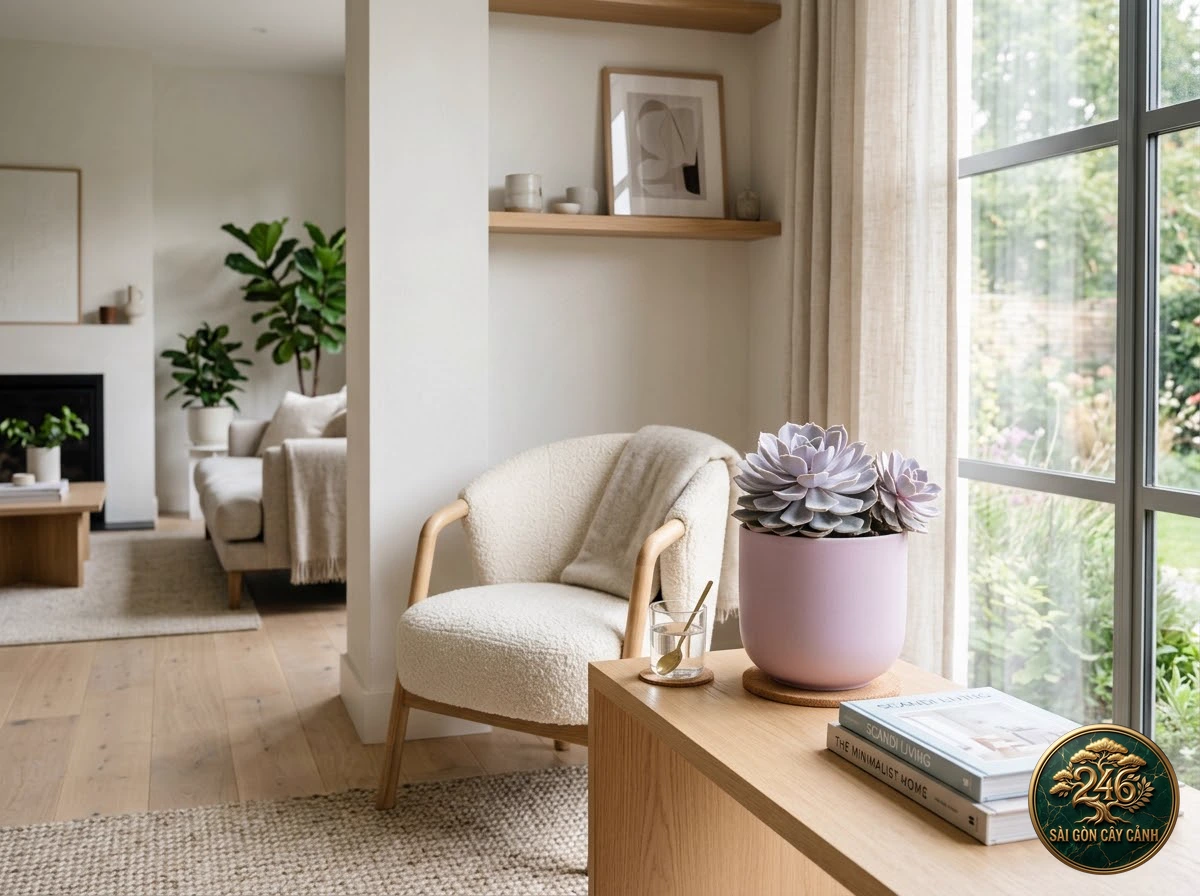
With sculptured living rosette geometry, Echeveria lilacina excels in bespoke ceramic planters, sunlit workspace desks, open terrariums, and xeriscape rock arrangements.
It imparts tranquil minimalist presence, soothing visual fatigue with serene botanical balance.
12. Common Cultivation Pitfalls
- Frequent watering in moist soil: The primary catalyst for irreversible stem rot.
- Insufficient light: Triggers etiolated, stretched, pale rosettes.
- Water pooled in rosette hearts: Induces rapid fungal decay.
- Containers lacking drainage holes: Suffocates delicate succulent root filaments.
Nursery Care Journal & Living Greenery Moments
At Saigon Cay Canh greenhouse, each photograph captures genuine everyday care moments between plant lovers and living greenery, spreading a passion for nature and green-living inspiration.

13. Curated Botanical Inquiries (FAQs)
How does one tell when an Echeveria is thirsty?
Lower leaves soften slightly and show faint wrinkles; this tactile signal indicates the ideal moment for a thorough soak.
Should farina powder be wiped off dusty leaves?
Never wipe farina; use a soft makeup brush or gentle air bulb to clear dust without removing this irreplaceable protective wax.
How can vivid foliage colors be maximized?
Provide ample direct sun, cooler nighttime temperatures, and mild watering restraint to stimulate anthocyanin production.
🌿 Trang Thiết Bị, Đất Trồng & Dụng Cụ Bonsai Tuyển Chọn
Dụng cụ tỉa, giá thể hữu cơ & phân bón chuyên dụng cho cây cảnh.
TIÊU CHUẨN SGCC

Cưa Gỗ Cầm Tay Mini Gấp Gọn,Cưa Xếp Gọn Lưỡi Thép Hợp K…

1KG dây nhôm đen uốn cây cảnh (đủ size 1li-8li). Dây nh…

kéo cắt cành VITECH, kéo cắt cành nhật bản, kéo cắt càn…
Phân trùn quế dạng viên nén 1kg – phân hữu cơ 🌱dùng bón…
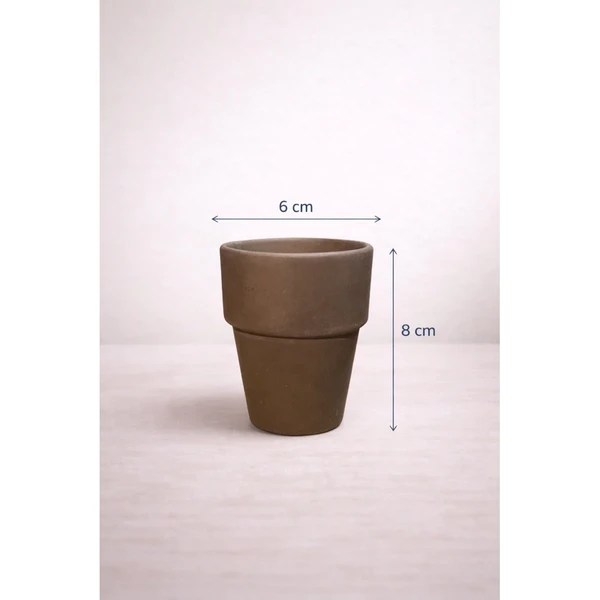
Chậu đất nung mini 6×8 trồng sen đá, Chậu cây Quán Gò d…
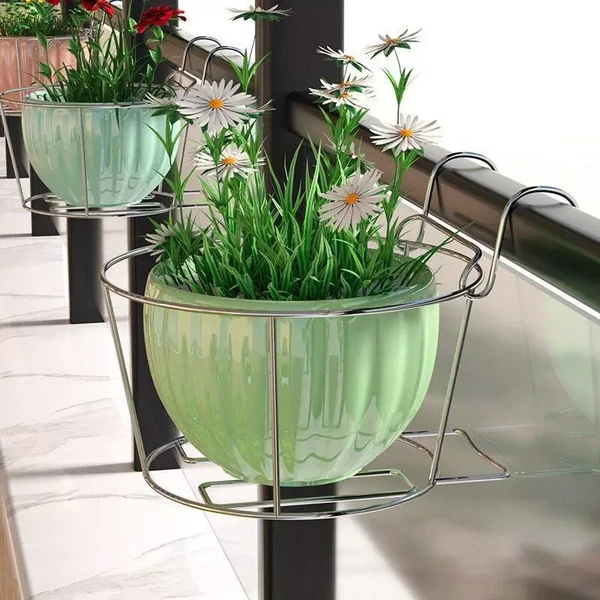
Chậu hoa không gỉ Chân đế chậu hoa tròn Giá treo tường …
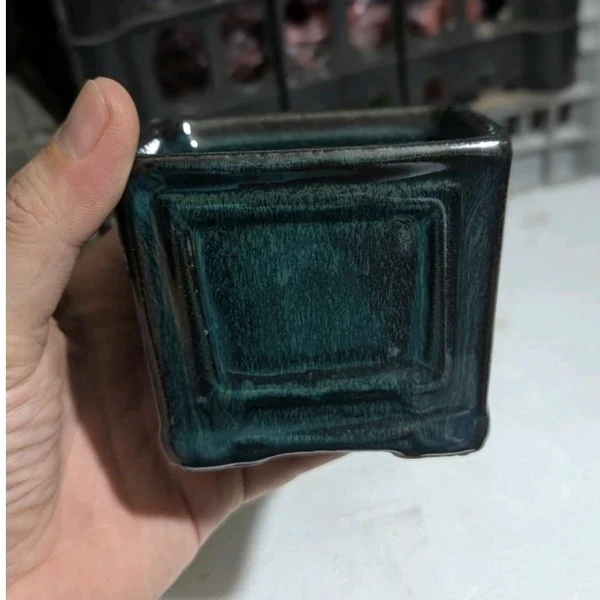
Chậu bonsai mini vuông kích thước phủ bì miệng 9cm cao …

VIÊN ĐẤT NÉN SƠ DỪA , đất sạch hữu cơ vi sinh dinh dưỡn…

Phân Bón Rynan 220 NPK 12-12-20 + Te Dùng Cho Cây Ra Ho…

Thuốc Kích Rễ N3M {100G} – Phân Bón Ra Rễ Cực Mạnh, Thu…
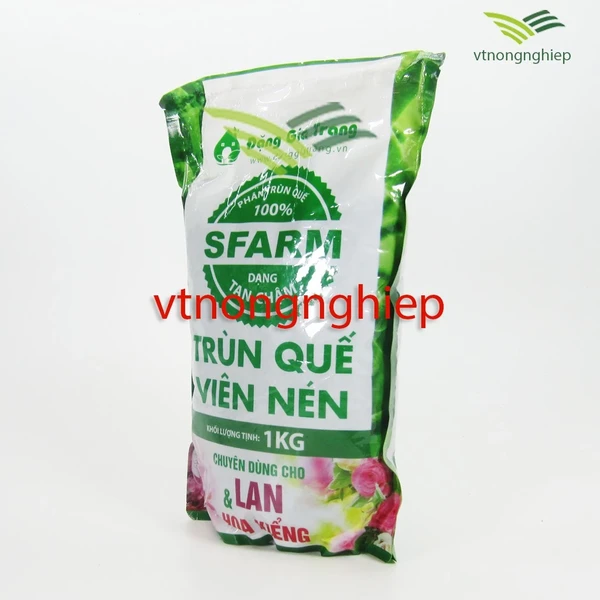
Phân trùn quế viên nén Sfarm, gói 1 kg, phân hữu cơ dùn…

Bộ Vòi Nước Tưới Cây Đa Năng 2000 Lỗ Phun Sương Vòi Xịt…

Madagascar Palm (Pachypodium lamerei)
Pachypodium lamerei, the Madagascar Palm, is a spectacular semi-arid pachycaul combining a stout silvery trunk armed with formidable sharp spine triplets a
Read Monograph →
Saguaro Cactus (Carnegiea gigantea)
Carnegiea gigantea is the iconic monumental saguaro cactus of the Sonoran Desert, renowned for massive fluted columnar trunks, formidable spine clusters, a
Read Monograph →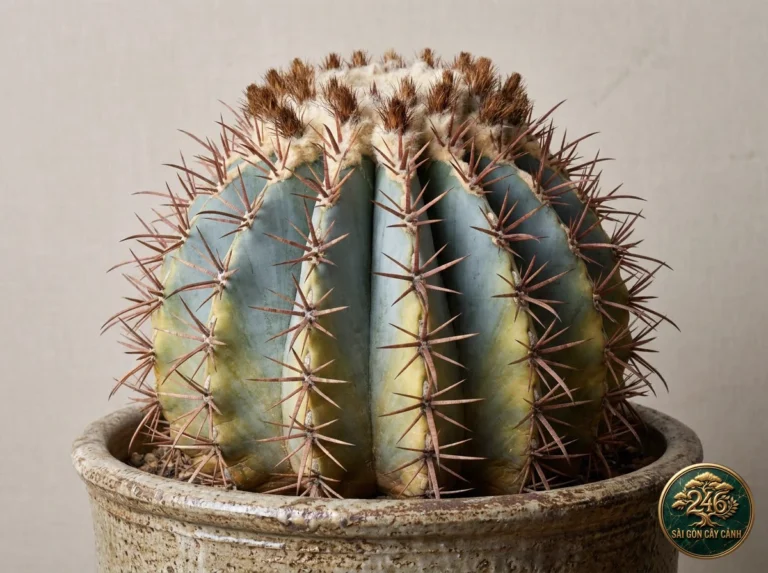
Giant Barrel Cactus (Echinocactus platyacanthus)
Echinocactus platyacanthus is the monumental giant barrel cactus of the Mexican plateau, legendary for multi-century lifespans, colossal slate-blue ribbed
Read Monograph →
Living Pebbles (Conophytum bilobum)
Conophytum bilobum is an enchanting miniature succulent pebble within the Aizoaceae family, celebrated for heart-shaped chalky-blue bilobed succulent bodie
Read Monograph →Expert Q&A, Recommended Supplies & Article Feedback
Tap once to connect instantly via Google, Facebook or TikTok — no long forms required!
No questions yet for this article. Tap Google / Facebook / TikTok above to ask the first question!