
Living plant profile
Giant chin cactus
Gymnocalycium saglionis
📌 CLINICAL & BIOLOGICAL ABSTRACT — Giant chin cactusGymnocalycium Cactaceae Standard Botanical Monograph V2 Giant Chin Cactus (Gymnocalycium saglionis): Massive Dome Morphology and Arid Pot Culture Scientific Binomial: Gymnocalycium saglionis (Cels) Britton & Rose English Vernacular: Giant chin cactus Plant Family: Cactaceae Native Distribution: Salta, Tucuman & Catamarca, Argentina Gymnocalycium saglionis is the largest and […]

Giant Chin Cactus (Gymnocalycium saglionis): Massive Dome Morphology and Arid Pot Culture
English Vernacular: Giant chin cactus
Plant Family: Cactaceae
Native Distribution: Salta, Tucuman & Catamarca, Argentina
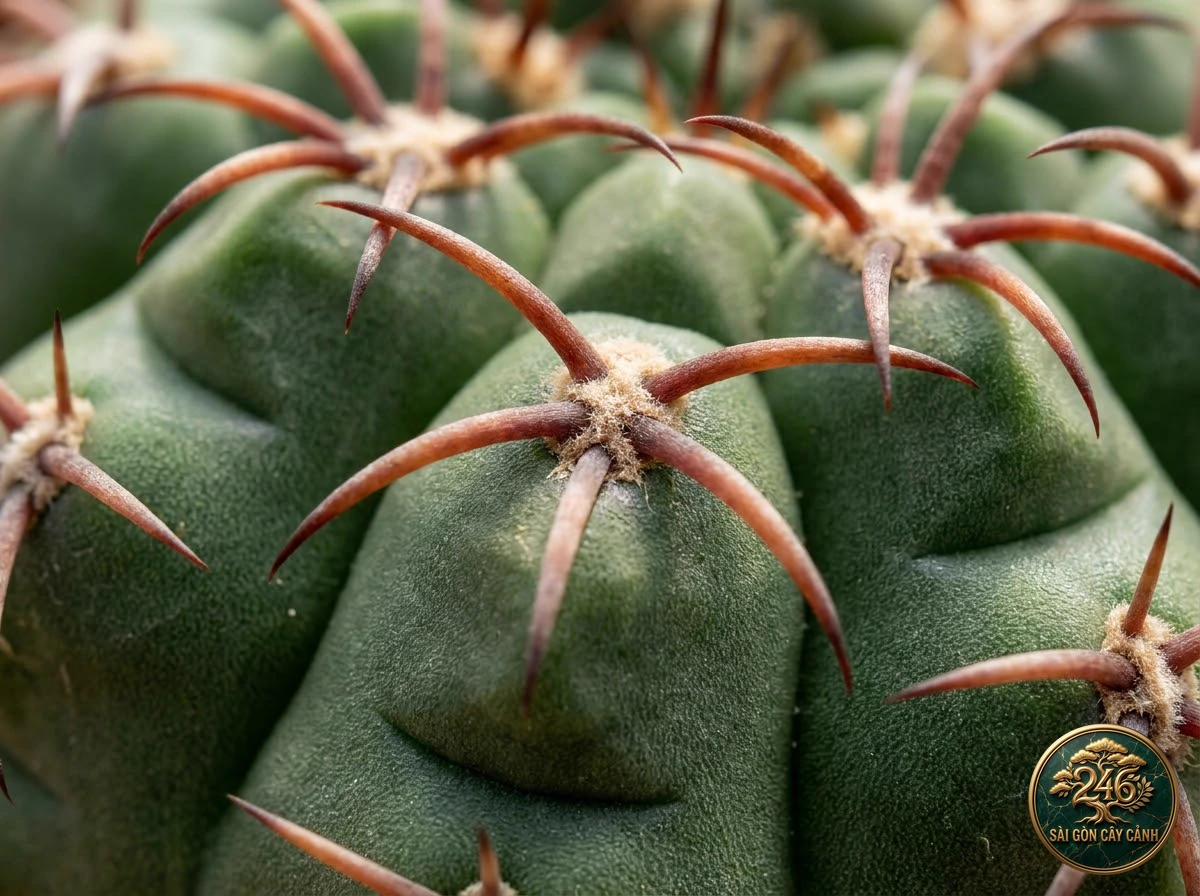
Gymnocalycium saglionis is the largest and most monumental solitary chin cactus, celebrated for its imposing semi-globose dome reaching fifty centimeters across armed with curving horn-like spines that turn glistening ruby-red when wetted.
Sài Gòn Cây Cảnh Care Compass
1. Botanical Provenance & Nomenclature History
Gymnocalycium saglionis was described by French horticulturist Jean-Francois Cels in 1847 and transferred to Gymnocalycium by Britton and Rose in 1922. This monumental species occurs naturally across rocky mountain slopes in Salta, Tucuman, and Catamarca in northwestern Argentina.
Perched at elevations between 500 and 2,600 meters upon volcanic gravel scree, it evolved a massive boulder-like dome capable of storing immense hydration pulses, sustaining the plant through prolonged drought cycles.
2. Morphological Characteristics & Diagnostic Keys

The flattened-globose dome expands thirty to fifty centimeters across and up to ninety centimeters tall with age, divided into fifteen to thirty undulating ribs bearing massive rounded chins. Areoles carry ten to fifteen stout spines three to four centimeters long curving backward like horns; pale yellowish-brown when dry, they turn glistening ruby-red when wetted.
In summer, short urn-shaped blossoms four centimeters wide in pearly-white or blush-pink with a dark reddish throat open near the apex, followed by globular glossy bright red berries packed with black seeds.
3. Photosynthetic Irradiance & Microclimate Engineering
Optical irradiance requirements range from 6,000 to 12,000 lux, excelling with five to seven hours of direct sunlight daily; powerful light hardens horn-like spines and enhances the hydrochromic ruby-red color response.
Given its substantial mass, position containers upon sturdy masonry pedestals in sunny courtyards or terraces where free-flowing breezes cool its monumental volume.
4. High-Percolation Mineral Substrate Engineering
The potting mix combines 50% coarse volcanic pumice, 25% lava gravel, 15% screened river grit, and 10% rich mineral sandy loam.
Heavy mineral scree anchors the massive specimen firmly while ensuring irrigation water percolates through deep root channels and evacuates base ports promptly.
5. Biological Irrigation Protocols & Seasonal Rhythms
Irrigation guidelines: soak deeply every eight to ten days during dry warm periods only after verifying deep substrate dryness.
During damp rainy intervals or cool weather, extend watering to fifteen or twenty days in large terracotta planters to preserve firm dome turgor and avoid hypoxic root stress.
6. Trace Mineral Nutrition & Balanced Bio-Fertilization
Apply diluted potassium-rich and phosphorus-rich organic liquid fertilizer at light dosage once monthly in late afternoon through sunny spring and summer cycles.
Excessive nitrogen inputs should be avoided as they induce unnatural fast expansion, weakening horn spines and compromising epidermal thickness.
7. Clonal & Sexual Propagation Protocols
Propagate by seed; glossy black seeds extracted from ripe red berries sprout uniformly in eight to twelve days over moist aerated mineral sand.
Juveniles begin as charming spherical globes before developing massive chin tubercles and formidable curved horn spines over years of disciplined cultivation.
8. Biochemical Toxicity & Companion Animal Safety (ASPCA)
Gymnocalycium saglionis carries zero biological toxicity under ASPCA criteria, posing no internal health hazard to domestic pets.
Because its curved horn-like spines function as physical armor, position containers safely away from narrow foot corridors to prevent accidental bumps.
9. Clinical Pathology Diagnostics & Pest Management
Clinical assessment of dermal injuries and therapeutic regimens for massive Gymnocalycium saglionis domes:
| Observed Symptom | Biological Root Cause | Standard Remedial Action |
|---|---|---|
| Massive dome turns soft with black weeping rot | Root rot infection from large pots retaining moisture too long | Unpot, excise rot to clean tissue, disinfect with 70% alcohol, air-cure 10 days |
| Horn spines dull in color and shed from basal areoles | Shortage of direct solar photons or calcium deficiency | Relocate to full sun, supplement with crushed limestone or mineral grit |
| Urn-shaped flower buds dry out prematurely | Localized moisture deficit during intense summer bud swell | Apply thorough perimeter watering in early morning to nourish buds |
| White mealybug cotton hidden deep in chin furrows | Pseudococcid pests tapping plant vascular fluids | Dab spots with 70% alcohol cotton swab, spray organic neem solution |
10. Taxonomic Comparative Matrix Across Allied Taxa
Morphological differentiation between Gymnocalycium saglionis and large-bodied allied xerophytes:
| Diagnostic Metric | Gymnocalycium saglionis | Allied Species A | Allied Species B |
|---|---|---|---|
| Maximum dimensions | Monumental dome 30 to 50 cm across | Dwarf compact dome 5 to 8 cm across | Columnar trunk reaching up to 1 meter |
| Spine hydrochromism | Spines turn glistening ruby-red when wetted | Ash-grey spines remain non-hydrochromic | Gleaming golden spines retain uniform amber |
| Rib structure | 15 to 30 undulating ribs with massive chins | 8 ribs with transverse plaid furrows | 8 deep ribs clad in chevron flocking |
| Ecological niche | Rocky mountain scree of Salta, Argentina | Understory thorn scrub of Gran Chaco | Vertical limestone canyon walls of Hidalgo |
11. Biophilic Interior Design & Architectural Application

The monumental solitary dome of Gymnocalycium saglionis commands profound visual authority. A mature specimen in a broad architectural bowl serves as a powerful statement of enduring botanical distinction.
Its hydrochromic transformation from leathery horn to glistening ruby-red upon watering provides magical visual delight, enchanting all who witness it.
🌿 Trang Thiết Bị, Đất Trồng & Dụng Cụ Bonsai Tuyển Chọn
Dụng cụ tỉa, giá thể hữu cơ & phân bón chuyên dụng cho cây cảnh.

Combo 3 cái, 5 cái Chậu nhựa MONROVIA chính hãng tiêu c…

HCM- Bộ vòi xịt nước tưới cây đa năng 8 chế độ kèm dây …
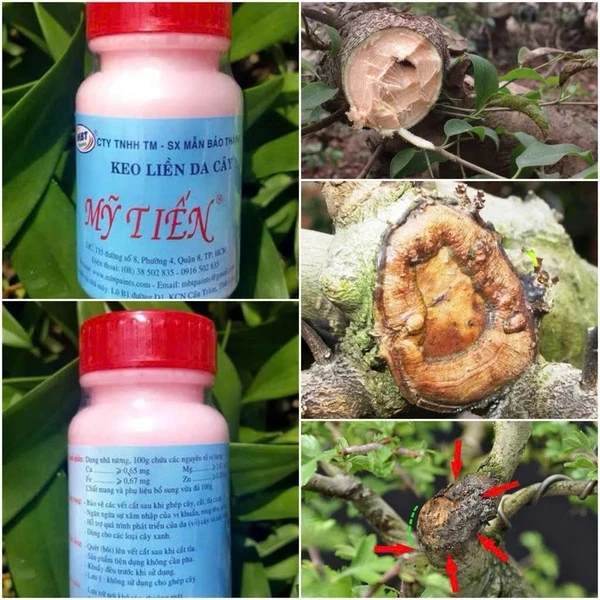
Keo liền da Mỹ tiến keo hồng liền sẹo cho cây lọ 100g, …
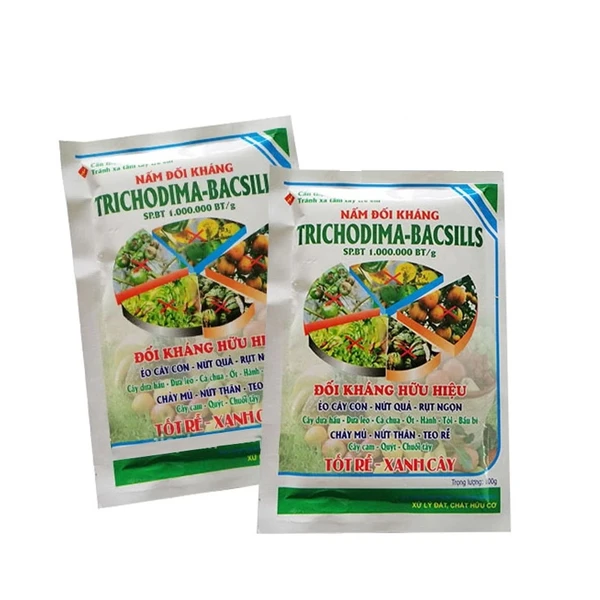
Chế Phẩm Trichoderma Dùng Tưới Cây, Trộn Đất Phòng Trị …
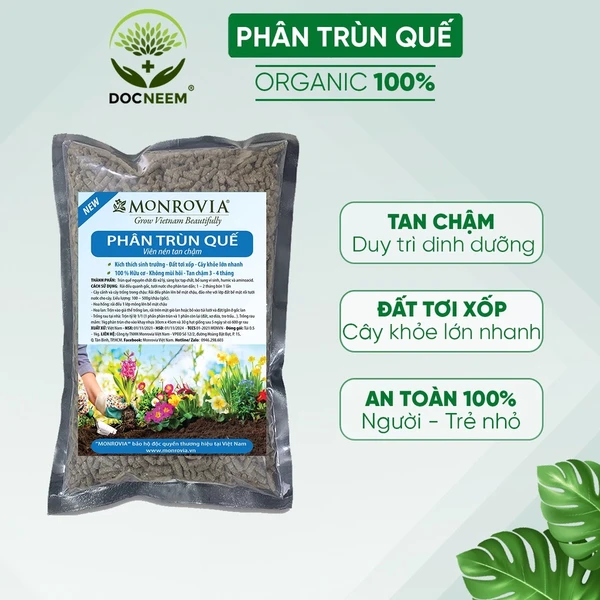
Phân trùn quế nguyên chất MONROVIA, viên nén tan chậm h…

Combo 3 ( combo 5) Chậu nhựa trồng cây Monrovia 5gl hàn…

Mùn Xơ Dừa (Mụn Dừa) Đã Qua Xử Lý Sfarm Giá Thể Trồng C…
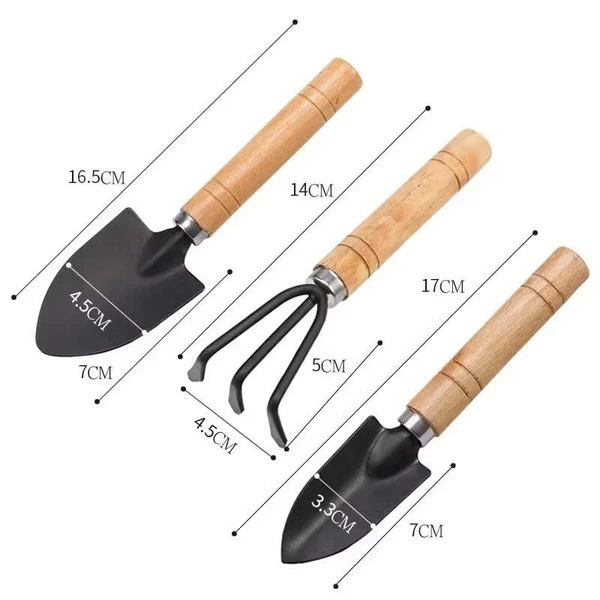
BỘ DỤNG CỤ LÀM VƯỜN MINI 3 MÓN CHO SÂN VƯỜN BAN CÔNG – …

Dao Ghép Cây Nhật Bản Thép Liền Khối Siêu Sắc – Dụng Cụ…

Chế Phẩm Trichoderma Bacillus Phân Bón Bầu Trời Xanh 1k…

Sen Đá Phật Bà Lửa XUẤT XỨ VIỆT NAM, ĐÃ THUẦN KHÍ HẬU, …

Kéo Tỉa Dăm 24cm Kéo Tỉa Cành SK5 Cây Cảnh Bonsai – Kho…
Nursery Care Journal & Living Greenery Moments
At Saigon Cay Canh greenhouse, each photograph captures genuine everyday care moments between plant lovers and living greenery, spreading a passion for nature and green-living inspiration.
💬 Góc Tư Vấn & Hướng Dẫn Kỹ Thuật SGCC
Chuẩn E-E-A-T Kinfolk❓ Chăm sóc Giant chin cactus cần lưu ý điều gì quan trọng nhất?
💡 Dạ điều quan trọng nhất là giữ môi trường sống ổn định, tránh sốc nhiệt hay dao động thông số đột ngột, đồng thời cung cấp khẩu phần ăn sạch và tươi mới ạ.
❓ Làm thế nào để phòng ngừa bệnh tật hiệu quả cho các bé?
💡 Dạ anh chị nên giữ vệ sinh chuồng/hồ nuôi sạch sẽ, thay nước hoặc dọn dẹp định kỳ và bổ sung vitamin, men tiêu hóa đều đặn để tăng sức đề kháng ạ.
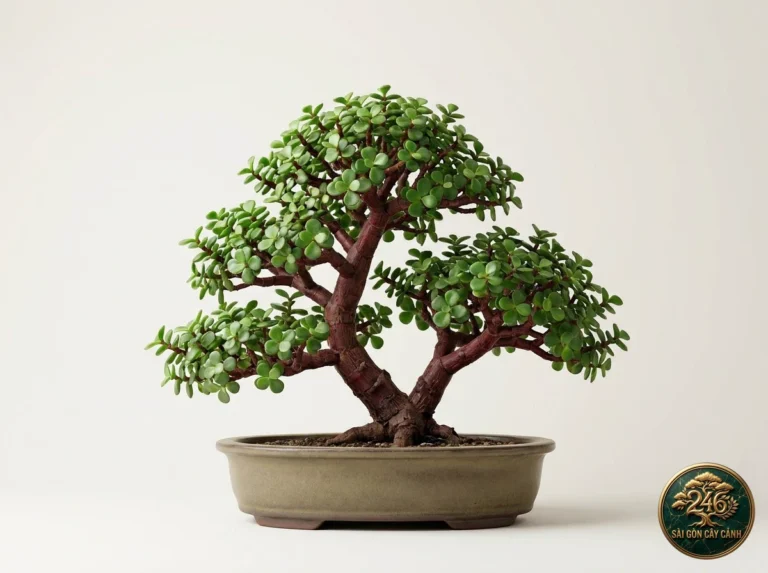
Elephant Bush (Portulacaria afra)
Portulacaria afra, celebrated as the Elephant Bush or Spekboom, is a remarkable South African succulent shrub renowned for mahogany-red woody stems, rounde
Read Monograph →
Tiger’s Jaws (Faucaria tigrina)
Faucaria tigrina, affectionately known as Tiger Jaw, is a charismatic South African succulent featuring pairs of fleshy keeled leaves lined with fierce rec
Read Monograph →
Fox Tail Agave (Agave attenuata)
Agave attenuata, the Fox Tail or Swan Neck Agave, is a magnificent spineless succulent renowned for wide rosettes of velvety pale sea-green unarmed leaves,
Read Monograph →
Giant Starfish Flower (Stapelia gigantea)
Stapelia gigantea, the Giant Starfish Flower, is an extraordinary South African succulent producing colossal five-pointed star-shaped blossoms up to 40 cm
Read Monograph →Expert Q&A, Recommended Supplies & Article Feedback
Tap once to connect instantly via Google, Facebook or TikTok — no long forms required!
No questions yet for this article. Tap Google / Facebook / TikTok above to ask the first question!