
Living plant profile
Redvein abutilon (Abutilon pictum)
Abutilon pictum
📌 CLINICAL & BIOLOGICAL ABSTRACT — Redvein abutilon (Abutilon pictum)Redvein abutilon (Abutilon pictum) Abutilon pictum, universally renowned as Redvein abutilon, painted Indian mallow, or flowering maple, is a celebrated South American botanical jewel positioned within the family Malvaceae. Distinguished by its enchanting pendulous, bell-shaped blossoms that mimic ornate hanging Chinese silk lanterns, its glowing apricot-orange […]

Redvein abutilon (Abutilon pictum)
Abutilon pictum, universally renowned as Redvein abutilon, painted Indian mallow, or flowering maple, is a celebrated South American botanical jewel positioned within the family Malvaceae. Distinguished by its enchanting pendulous, bell-shaped blossoms that mimic ornate hanging Chinese silk lanterns, its glowing apricot-orange petals are exquisitely etched with intricate networks of deep crimson veins. Accompanied by maple-like lobed leaves and exerted staminal columns, it imparts unmatched aristocratic grace to luxury conservatory and tropical garden landscapes.
Sài Gòn Cây Cảnh Care Compass
1. Botanical Identity & Taxonomic Nomenclature History
Abutilon pictum was scientifically cataloged by John Gillies, William Jackson Hooker, and George Arnott Walker-Arnott as Sida picta in 1833 in Botanical Miscellany, before being transferred to the genus Abutilon by German botanist Wilhelm Gerhard Walpers in 1842 within Repertorium Botanices Systematicae. It is widely known in horticultural literature under the taxonomic synonym Abutilon striatum Dickson ex Lindl. The generic name Abutilon derives from the Arabic awbutilon, designating mallow-like plants. The specific epithet pictum derives from Latin meaning ‘painted’ or ’embellished’, perfectly illustrating the breathtaking crimson veins intricately patterned across its apricot-yellow corolla as if painted by an artist.
Positioned in the family Malvaceae, the species originated in the moist subtropical mountain forests and riparian valleys of southern Brazil, Argentina, Paraguay, and Uruguay. Captivating Victorian plant hunters with its pendulous lantern architecture, it became an aristocratic staple of European conservatories before achieving worldwide horticultural acclaim. In Vietnam, Redvein abutilon flourishes splendidly in temperate uplands such as Da Lat as well as filtered-light lowland courtyard microclimates, celebrated as a refined ornamental gem.
2. Morphological Anatomy & Structural Architecture

Morphologically, Abutilon pictum grows as an evergreen woody shrub or graceful multistemmed small tree reaching heights of 2 to 4 meters, with slender arching branches providing an airy pendulous silhouette. Stems are smooth or sparingly puberulent when young, maturing to smooth greenish-grey bark. Leaves are alternate; blades are palmately 3-to-5 lobed resembling true maple (Acer) leaves, measuring 6 to 15 cm in length and 5 to 12 cm across, with sharply serrate margins, a lustrous emerald upper surface, and long slender petioles that allow the foliage to flutter gently.
Blossoms are solitary and pendulous, nodding gracefully from leaf axils on delicate wiry pedicels 6 to 12 cm long. The corolla is campanulate to lantern-shaped, measuring 3 to 5 cm long by 3 to 4 cm wide, formed of five overlapping obovate petals. Petals display a luminous golden-apricot to warm orange base color, magnificently striated with an intricate network of branching scarlet-to-crimson veins. Projecting far beyond the corolla mouth is an exerted central staminal column bearing a dense brush of golden anthers crowned by ten purplish-red stigmas. The fruit is a circular schizocarp composed of multiple mericarps enclosing kidney-shaped seeds.
3. Solar Irradiance Thresholds & Photosynthetic Dynamics
Abutilon pictum is a subtropical sciophyte-heliophyte preferring bright, dappled sunlight or gentle morning solar exposure, intolerant of harsh scorching midday sun in tropical lowlands. It requires 4 to 6 hours of filtered light daily, thriving within light thresholds spanning 25,000 to 50,000 lux. Gentle morning rays or 30-40% shaded canopy filtration intensify the vivid crimson venation, enhance petal substance, and maintain deep foliar health without margin scorch.
In heavy shade, the shrub becomes etiolated with elongated internodes and severely reduced blooming flushes. Conversely, direct exposure to intense tropical afternoon sunlight exceeding 35 degrees Celsius induces acute foliar wilt and floral bud dehydration. The species flourishes optimally between 18 and 28 degrees Celsius with ambient relative humidity maintained above 65%.
4. Mineral Substrate Mechanics & Root Aeration Porosity
The root system of Redvein abutilon features delicate, fibrous lateral roots that occupy upper substrate strata, highly susceptible to compaction, stagnant waterlogging, and anaerobic suffocation. The plant demands a porous, humus-abundant potting mix engineered for rapid drainage while preserving consistent ambient moisture.
The standardized media formulation developed by Saigon Cay Canh incorporates 35% rich alluvial loam, 25% thoroughly washed coco coir, 20% carbonized rice husks, 10% expanded perlite, and 10% aged vermicompost inoculated with Trichoderma. Substrate pH is calibrated precisely between 6.0 and 6.8. Generous drainage layers of crushed pumice or expanded clay aggregate at container bottoms are mandatory to safeguard root cambium.
5. Hydraulic Equilibria & Irrigation Regimens
Irrigation protocols for Abutilon pictum demand steady moisture balance, preventing severe soil drying that triggers foliar droop while strictly avoiding soggy saturated conditions. During warm weather, apply a thorough morning irrigation daily whenever the top 1 to 2 cm of substrate dries.
Deliver water gently around the root zone, keeping harsh overhead sprays away from the delicate pendulous blossoms to prevent tearing petals and spoiling anther pollen. During prolonged rainy seasons with elevated atmospheric humidity, reduce watering frequency and verify unobstructed bottom drainage holes to eliminate perched water tables.
6. Nutrient Biogeochemistry & Fertilization Protocols
To sustain perpetual flushes of pendulous lantern blooms with crisp, saturated crimson striations throughout the year, the shrub requires steady nutrition biased toward potassium, phosphorus, and essential micronutrients. Broadcast slow-release organic granules (NPK 6-12-12) or rich worm castings across the substrate surface every 35 to 40 days.
During active floral bud production, apply a water-soluble high-phosphate and high-potassium formula (NPK 15-30-15) at 1 gram per liter every 10 to 12 days. Complement with monthly foliar applications of chelated iron, magnesium, and boron to intensify crimson petal venation and preserve lush emerald foliar vitality.
7. Clonal Propagation & Germplasm Conservation
Abutilon pictum is propagated with great reliability via semi-hardwood stem cuttings or air-layering during warm, humid spring and rainy seasons. Stem cuttings provide rapid clonal reproduction: select healthy semi-mature lateral shoots 10 to 15 cm long with 3 to 4 nodes, make a clean 45-degree cut below a node using shears sterilized with 70% medical alcohol, remove flower buds, and trim lower leaves by half.
Dip the basal end in 800 to 1,000 ppm IBA rooting powder and insert 4 to 5 cm deep into a moist mix of perlite and washed sharp sand under 60% shade. Maintain high humidity with fine misting; within 20 to 25 days, adventitious roots form vigorously, followed by energetic axillary vegetative flush.
8. Phytochemical Toxicity & Pet Safety Standards (ASPCA)
Botanical safety evaluation and ASPCA pet safety standards: Positioned within the family Malvaceae, Abutilon pictum is officially classified as non-toxic and pet-safe under comprehensive ASPCA companion animal guidelines. The species presents zero toxicological threat to domestic dogs, cats, or horses, containing no toxic alkaloids or hazardous cardiac compounds.
In natural ecosystems, Abutilon flowers secrete sweet nectar that safely sustains hummingbirds and nectarivorous pollinators. Nevertheless, to protect the exquisite pendulous floral displays and prevent curious pets from chewing fragile soft-wood stems, position containers on elevated plant pedestals. Always sanitize cutting blades with 70% medical alcohol when pruning to prevent cross-contamination.
9. Clinical Pathology Diagnostics & Treatment Strategies
Pathology diagnostic protocol for powdery mildew prevention and pendulous lantern bloom nutrition in Abutilon pictum:
| Clinical Manifestation | Etiological Cause | Standard Treatment Protocol |
|---|---|---|
| Underside and margins of leaves coated with fine white powdery residue, shoots distort | Powdery mildew caused by Oidium fungi, flourishing in humid stagnant environments with insufficient light and airflow | Prune dense inner branchlets to improve aeration, then apply bio-fungicide containing Trichoderma or dilute horticultural potassium bicarbonate spray |
| Leaves curl at margins, colonies of white mealybugs aggregate at leaf axils and pendulous flower pedicels | Mealybugs extracting sap from soft tissue, leading to weakened floral pedicels and premature bud abortion | Swab mealybug clusters using 70% medical alcohol, then spray with organic neem oil emulsified with mild potassium soap |
| Foliage wilts limply and yellows from the base upward despite damp soil conditions | Root rot triggered by substrate waterlogging and anaerobic suffocation of delicate root hairs | Cease irrigation immediately, verify free container drainage holes, and drench the root zone with Trichoderma biological inoculant |
10. Comparative Morphology & Allied Taxa Diagnosis
Taxonomic comparative matrix isolating pendulous blooms with painted crimson venation and maple-like foliage of Abutilon pictum:
| Diagnostic Parameter | Abutilon pictum (Redvein abutilon) | Comparative Specimen A | Comparative Specimen B |
|---|---|---|---|
| Floral Morphology and Coloration | Pendulous bell/lantern bloom with glowing apricot-orange petals etched with deep crimson veins | Campanulate primrose bloom shifting to coppery-rose at dusk with smooth toothless calyx | Massive double ruffled bloom transforming from pure white to pink and crimson within a day |
| Foliar Architecture | Palmately 3-to-5 lobed blade mimicking true maple (Acer) leaves with serrated margins | Broadly cordate to ovate blade with attenuate tip evocative of the sacred Bodhi tree | Large cordate blade with 5 to 7 shallow rounded lobes clothed in soft stellate pubescence |
| Solar Irradiance Preferences | Prefers filtered dappled light or gentle morning sun, requires protection from harsh noon sun | Obligate full sun heliophyte, excels under intense maritime solar radiation | Requires full sun 6 to 8 hours daily to drive anthocyanin synthesis and diurnal color shifts |
11. Biophilic Design Harmony & Contemporary Spatial Aesthetics

In architectural garden design and Eastern biophilic philosophy, Redvein abutilon represents joyous good fortune, warmth, enlightened clarity, and festive domestic prosperity. Its hanging lantern-shaped blooms evoke illuminated silk lanterns that dispel gloom, invite auspicious energy, and generate vibrant living ambiance.
The plant excels as a focal potted specimen in handcrafted glazed ceramic urns placed on shaded villa verandas, interior courtyards, covered garden terraces, or as charming weeping accent borders along shaded walkways in upscale eco-resorts.
12. Saigon Cay Canh Provenance & Cultivation Assurance

Saigon Cay Canh provides premium acclimated Abutilon pictum specimens featuring well-branched architectural canopies, vigorous root balls, and heavy flushes of nodding flower buds poised to display their painted crimson-veined lanterns.
We guarantee 100% accurate botanical taxonomy, provide expert consultation regarding light management and pinching techniques, and deliver comprehensive living establishment guarantees for distinguished villa landscapes and luxury biophilic indoor-outdoor environments.
💬 Góc Tư Vấn & Hướng Dẫn Kỹ Thuật SGCC
Chuẩn E-E-A-T Kinfolk❓ Chăm sóc Redvein abutilon (Abutilon p cần lưu ý điều gì quan trọng nhất?
💡 Dạ điều quan trọng nhất là giữ môi trường sống ổn định, tránh sốc nhiệt hay dao động thông số đột ngột, đồng thời cung cấp khẩu phần ăn sạch và tươi mới ạ.
❓ Làm thế nào để phòng ngừa bệnh tật hiệu quả cho các bé?
💡 Dạ anh chị nên giữ vệ sinh chuồng/hồ nuôi sạch sẽ, thay nước hoặc dọn dẹp định kỳ và bổ sung vitamin, men tiêu hóa đều đặn để tăng sức đề kháng ạ.
🌿 Trang Thiết Bị, Đất Trồng & Dụng Cụ Bonsai Tuyển Chọn
Dụng cụ tỉa, giá thể hữu cơ & phân bón chuyên dụng cho cây cảnh.

Cây Cẩm Nhung Lá May Mắn ( Fittonia )
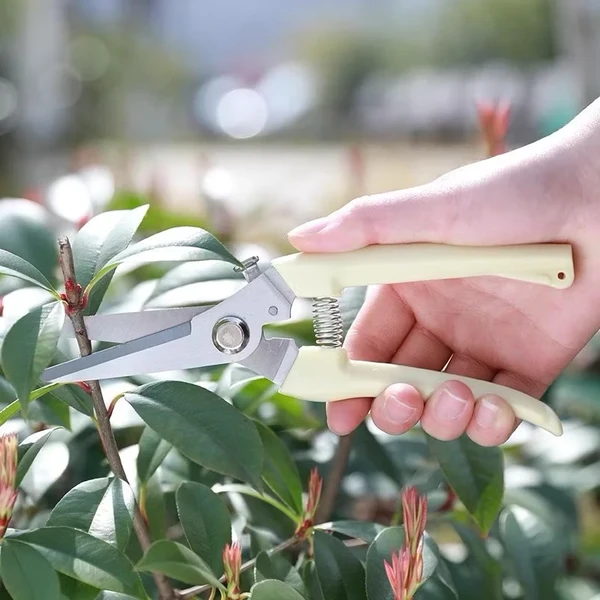
kéo tỉa dăm , tỉa cành , cây bonsai ( kéo thẳng hoặc ké…
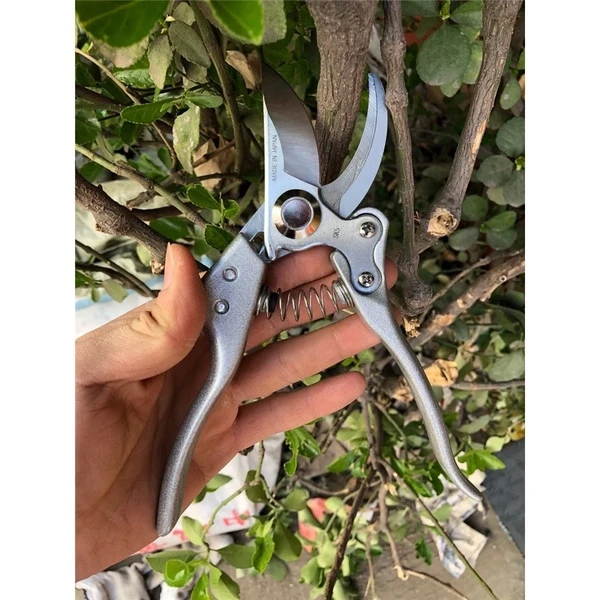
Kéo cắt cành cộng lực YOKOHAMA SK5 xuất xứ JAPAN Kéo cắ…

Hạt Giống Hoa Cúc Họa Mi Nhụy Vàng – Dễ Trồng, Nở Sai, …

Kéo Cắt Cành Cây Cắt Tỉa Cây Cảnh Cộng Lực Lưỡi Thép Ca…
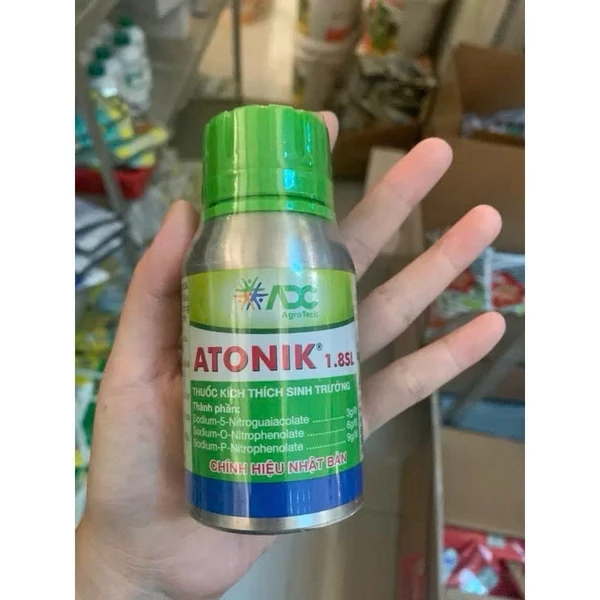
Thuốc kích thích sinh trưởng cây trồng ATONIK 1.8SL – B…

Đất sét nung popper Thái Lan- trồng sen đá, trồng xương…
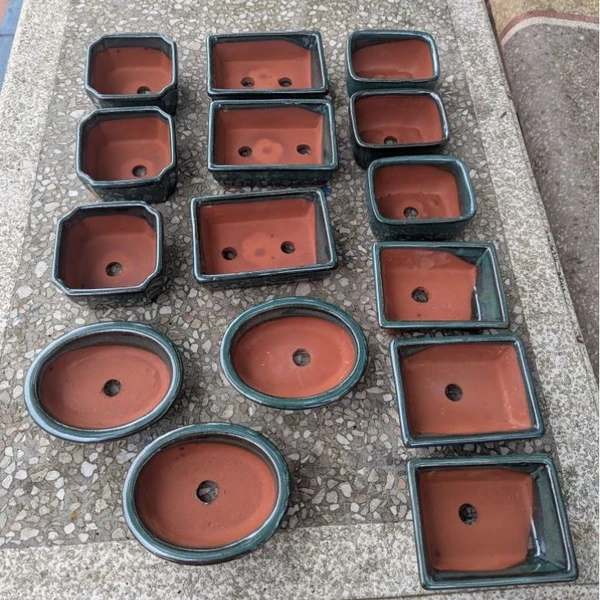
BS164 Lô 15 chậu bonsai mini cầm tay men xanh hỏa biến …

Khay Ươm Hạt Giống 12 Lỗ (5 Khay), 3 Lớp, Có Nắp Đậy, N…
Giá Thể Trồng Cây Mô Kiểng Lá – Đất Trồng Cây Trộn Sẵn …

Bình tưới cây mini GOSE 500ml phun sương phun tia tưới …
Phân bón lá Growmore NPK 30-10-10 + TE 100g – đẩy nhánh…

Globe amaranth (Gomphrena globosa)
Globe amaranth (Gomphrena globosa) Gomphrena globosa, universally celebrated as globe amaranth, bachelor’s button, or immortelle, is a charming...
Read Monograph →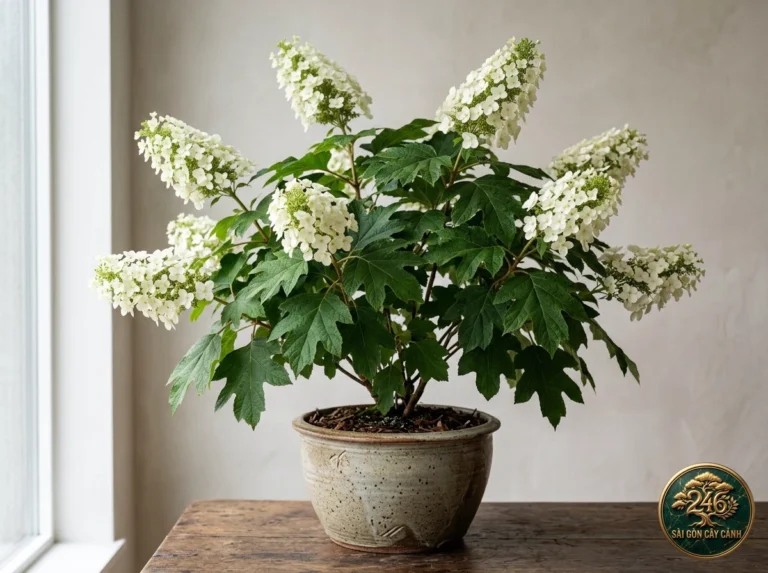
Oakleaf hydrangea (Hydrangea quercifolia)
Oakleaf hydrangea (Hydrangea quercifolia) Hydrangea quercifolia, internationally celebrated as oakleaf hydrangea, is an awe-inspiring, structurally dramatic deciduous flowering...
Read Monograph →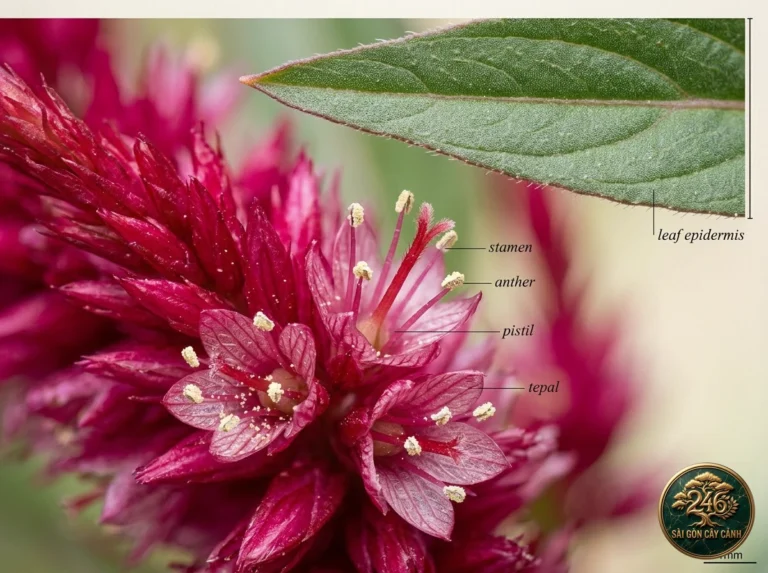
Plumed cockscomb (Celosia argentea)
Plumed cockscomb (Celosia argentea) Celosia argentea, encompassing both feathery plume cockscomb (var. plumosa) and undulating crested cockscomb (var....
Read Monograph →
Pinwheel flower
Tabernaemontana divaricata, universally revered across tropical Asia as pinwheel flower, crape jasmine, or East Indian rosebay, is an...
Read Monograph →Expert Q&A, Recommended Supplies & Article Feedback
Tap once to connect instantly via Google, Facebook or TikTok — no long forms required!
No questions yet for this article. Tap Google / Facebook / TikTok above to ask the first question!