
Living plant profile
White dipladenia (Mandevilla boliviensis)
Mandevilla boliviensis
📌 CLINICAL & BIOLOGICAL ABSTRACT — White dipladenia (Mandevilla boliviensis)White dipladenia (Mandevilla boliviensis) Mandevilla boliviensis, widely celebrated as white dipladenia or white mandevilla, is an ethereal tropical evergreen woody climber celebrated for its pristine snow-white trumpet blooms centered with a luminous golden-yellow throat resembling living porcelain. Providing an aura of spiritual calm, refined luxury, and […]

White dipladenia (Mandevilla boliviensis)
Mandevilla boliviensis, widely celebrated as white dipladenia or white mandevilla, is an ethereal tropical evergreen woody climber celebrated for its pristine snow-white trumpet blooms centered with a luminous golden-yellow throat resembling living porcelain. Providing an aura of spiritual calm, refined luxury, and architectural lightness, this Andean botanical treasure transforms villa porticos, private balconies, and sunlit courtyards into serene havens of timeless beauty.
Sài Gòn Cây Cảnh Care Compass
1. Botanical Identity & Taxonomic Nomenclature History
Mandevilla boliviensis was originally published by English botanist Sir Joseph Dalton Hooker under the basionym Dipladenia boliviensis in 1869 within the esteemed Curtis’s Botanical Magazine. In 1933, American taxonomist Robert Everard Woodson formally transferred the taxon into the genus Mandevilla during his definitive revisionary monograph. The specific epithet boliviensis denotes its primary geopolitical provenance within the eastern Andean slopes of Bolivia.
Indigenous to montane cloud forests between elevations of 1,000 and 2,200 meters across Bolivia, Peru, and Ecuador, the species evolved an adaptability to broad temperature ranges and buoyant atmospheric humidity. Transported across international horticultural circuits, Mandevilla boliviensis earned universal admiration for its pure porcelain aesthetics. In Vietnam, it represents a favored climber across upscale residential balconies and classical villa garden balustrades.
2. Morphological Anatomy & Structural Architecture

Morphologically, Mandevilla boliviensis develops as a slender, evergreen twining woody vine ascending 2 to 4 meters, producing delicate yet strong voluble stems that wrap effortlessly around trellises. Young branchlets are smooth, lustrous, light green with subtle purplish undertones, secreting milky white latex upon mechanical trauma. Beneath the soil line, it forms small succulent storage tubers that retain moisture and carbohydrates to endure seasonal dry spells.
Leaves are arranged in decussate opposite pairs; blades are elliptic to oblong-lanceolate, measuring 6 to 10 cm long by 2.5 to 4.5 cm wide, culminating in an elegant acuminate apex with entire flat margins. The lamina is leathery and glossy, displaying a deep emerald polish. Inflorescences emerge as compact axillary cymes holding 3 to 7 blossoms. Each salverform-campanulate flower spans 5 to 7 cm across, composed of five chalk-white petals swirling delicately around a vivid glowing lemon-yellow throat, exuding a subtle delicate fragrance. The fruit consists of paired slender follicles bearing plumose seeds.
3. Solar Irradiance Thresholds & Photosynthetic Dynamics
Mandevilla boliviensis thrives in abundant sunlight, performing optimally under direct morning sun and bright filtered light during peak solar hours. It requires a minimum of 5 to 6 hours of daily irradiance, flourishing within light thresholds from 30,000 to 65,000 lux. Adequate solar exposure compresses internodes, enriches foliar chlorophyll, and stimulates prolific floral bud initiation at every emerging axillary node.
Originating from cool montane cloud forests, the species is slightly more sensitive to intense afternoon heat than lowland frangipanis or allamandas. When ambient temperatures exceed 38 degrees Celsius under harsh sunlight, providing a light 25% midday shade mesh prevents petal margin scorch, sustaining vibrant physiological balance throughout warm summer spells.
4. Mineral Substrate Mechanics & Root Aeration Porosity
The tuberous root system of Mandevilla boliviensis is acutely susceptible to moisture stagnation and anaerobic soil conditions. Saturated media quickly provokes fungal tuber rot, triggering widespread foliar yellowing and shoot collapse. Consequently, the potting substrate must possess generous structural macro-pores, ensuring rapid drainage while retaining ambient root coolness.
The optimized potting mix formulated by Saigon Cay Canh incorporates 40% Japanese pumice or scoria (3-5 mm), 25% carbonized rice husks, 20% washed and desalted coco coir, and 15% Trichoderma-inoculated aged earthworm castings. Substrate pH should remain stable between 6.0 and 6.8. Generous drainage layers of crushed basalt or horticultural charcoal must line container bottoms.
5. Hydraulic Equilibria & Irrigation Regimens
Hydraulic regimens for Mandevilla boliviensis follow the principle of consistent aerobic coolness: soak deeply upon surface drying, then allow natural aeration. During warm dry spells, apply a generous early morning drench every 1 to 2 days based on container evapotranspiration. Water gently around the root flare, avoiding direct high-pressure hose sprays onto open white corollas.
Throughout prolonged monsoon cycles, verify bottom drainage ports and immediately empty standing saucer water. For outdoor balcony planters exposed to continuous rains, suspend supplemental irrigation entirely and lightly cultivate upper substrate layers to facilitate evaporation and root zone aeration.
6. Nutrient Biogeochemistry & Fertilization Protocols
To sustain an uninterrupted sequence of porcelain blooms from early spring into late autumn, Mandevilla boliviensis requires consistent, moderate nutritional inputs. Apply slow-release organic granules with an NPK profile of 5-10-10 or pelletized earthworm castings around the container rim every 30 to 40 days.
During peak floral induction, apply a water-soluble high-phosphate and high-potassium fertilizer such as NPK 15-30-15 or 10-52-10 at a mild dilution of 1 gram per liter every 10 to 12 days. Complement with foliar chelated magnesium and calcium to enhance pure white petal opacity, petal substance, and bud retention during seasonal weather transitions.
7. Clonal Propagation & Germplasm Conservation
Mandevilla boliviensis propagates with exceptional success via apical semi-hardwood cuttings harvested in spring or early rainy periods. Select vigorous 10 to 15 cm branch tips possessing 2 to 3 well-developed leaf nodes. Make an angled cut using shears disinfected with 70% medical alcohol, strip basal foliage, and immerse the cut base in 1,000 ppm IBA rooting hormone.
Insert cuttings into sharp river sand or moist perlite under 50% nursery shade, maintaining relative humidity between 80% and 85%. Within approximately 25 to 30 days, adventitious roots emerge vigorously along with active axillary vegetative flushes. Air-layering is equally successful, yielding well-rooted specimens within 3 to 4 weeks.
8. Phytochemical Toxicity & Pet Safety Standards (ASPCA)
Phytochemical toxicity and ASPCA pet safety assessment: Belonging to the family Apocynaceae, all anatomical tissues of Mandevilla boliviensis discharge milky white latex when ruptured. This sap contains diterpenes and mild glycosides capable of producing minor cutaneous irritation, erythema, and mild itching on sensitive human dermis.
Under ASPCA toxicological criteria, the taxon is designated as possessing mild toxicity for companion animals (felines and canines); ingestion of large foliage volumes triggers mild emesis, hypersalivation, and digestive discomfort. Handlers should utilize protective gloves during structural pruning, sterilize cutting shears with 70% medical alcohol, and site climbing trellises comfortably above pet reach.
9. Clinical Pathology Diagnostics & Treatment Strategies
Pathology diagnostic protocol for petal blight prevention and cool aerobic rhizosphere preservation in Mandevilla boliviensis:
| Clinical Manifestation | Etiological Cause | Standard Treatment Protocol |
|---|---|---|
| Twining shoot terminals wilt, foliage yellows progressively, and tubers smell sour | Tuber rot caused by Phytophthora or Pythium fungi proliferating in stagnant waterlogged soil | Immediately withhold water, excavate root ball to excise rotten tubers with blade sanitized in 70% alcohol, repot into pumice, and drench with Ridomil Gold |
| Pristine white corollas develop brown necrotic speckles, decaying prematurely | Petal blight caused by Botrytis cinerea fungal spores resulting from overhead evening irrigation | Prune off diseased blossoms, modify irrigation strictly to morning root zone applications, and spray bio-fungicide |
| Aphids or mealybugs colonizing tender shoot tips, causing distortion and sticky honeydew | Sap-sucking insect pests extracting fluids from succulent growing terminals | Manually eradicate insect colonies using 70% medical alcohol on swabs, followed by preventative sprays of organic neem oil |
10. Comparative Morphology & Allied Taxa Diagnosis
Taxonomic comparative matrix distinguishing porcelain-white trumpets with lemon throat and Andean origin of Mandevilla boliviensis:
| Diagnostic Parameter | Mandevilla boliviensis (White dipladenia) | Comparative Specimen A | Comparative Specimen B |
|---|---|---|---|
| Floral Coloration | Immaculate chalk-white petals illuminated by glowing lemon-yellow throat | Vivid rose-pink, radiant carmine, illuminated by bright yellow throat | Dusky cherry-violet, plum-magenta, antique rose with bronze throat |
| Corolla Dimensions | Spans 5-7 cm, graceful slender corolla tube, delicate aesthetic balance | Spans 6-8 cm, broad rounded substantial petals, expansive throat | Spans 6-9 cm, colossal campanulate trumpet form, velvety corolla lobes |
| Ecological Altitude Adaptation | Native to cool Andean cloud forests, preferring buoyant airy coolness | Native to coastal Rio de Janeiro slopes, high resilience to lowland heat | Native to semi-arid Caatinga scrub, formidable drought and heat resistance |
11. Biophilic Design Harmony & Contemporary Spatial Aesthetics

In landscape architecture and Eastern biophilic philosophy, Mandevilla boliviensis represents immaculate purity, understated nobility, and soothing spiritual serenity. The pristine white petals framing a radiant golden heart create a luminous visual aura, calming urban stress and fostering mindfulness within modern living domains.
The species serves impeccably across modern apartment balcony trellises, Mediterranean villa entrance porticos, rooftop moonlit pergolas, or trained onto elegant wire topiary obelisks in white ceramic containers within meditative biophilic reading retreats.
12. Saigon Cay Canh Provenance & Cultivation Assurance

Saigon Cay Canh specializes in the cultivation of verified Andean-lineage Mandevilla boliviensis specimens, trained onto robust structural climbing frames, anchored by vigorous storage tubers, and dense with floral buds ready for immediate landscape elevation.
We provide verified international botanical taxonomy, wind-resistant climbing trellis architectural designs, and customized bloom nutrition schedules, backed by enduring establishment warranties for distinguished residential and commercial landscapes.
💬 Góc Tư Vấn & Hướng Dẫn Kỹ Thuật SGCC
Chuẩn E-E-A-T Kinfolk❓ Chăm sóc White dipladenia (Mandevilla cần lưu ý điều gì quan trọng nhất?
💡 Dạ điều quan trọng nhất là giữ môi trường sống ổn định, tránh sốc nhiệt hay dao động thông số đột ngột, đồng thời cung cấp khẩu phần ăn sạch và tươi mới ạ.
❓ Làm thế nào để phòng ngừa bệnh tật hiệu quả cho các bé?
💡 Dạ anh chị nên giữ vệ sinh chuồng/hồ nuôi sạch sẽ, thay nước hoặc dọn dẹp định kỳ và bổ sung vitamin, men tiêu hóa đều đặn để tăng sức đề kháng ạ.
🌿 Trang Thiết Bị, Đất Trồng & Dụng Cụ Bonsai Tuyển Chọn
Dụng cụ tỉa, giá thể hữu cơ & phân bón chuyên dụng cho cây cảnh.
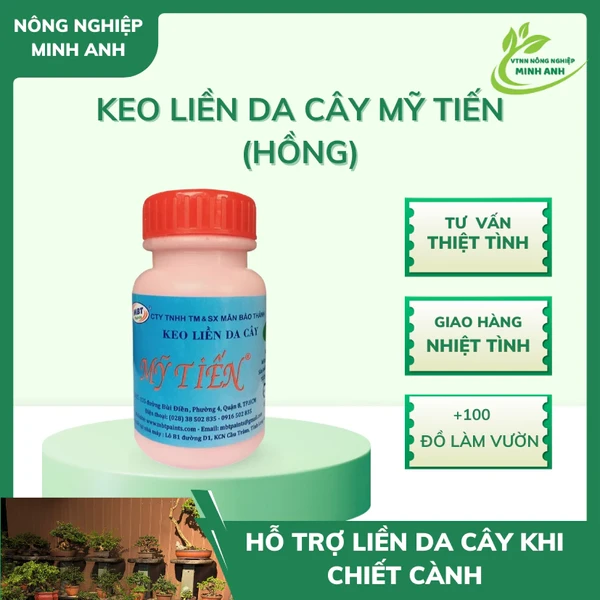
KEO LIỀN DA CÂY MỸ TIẾN – HỖ TRỢ LIỀN SẸO KHI TỈA CÀNH …
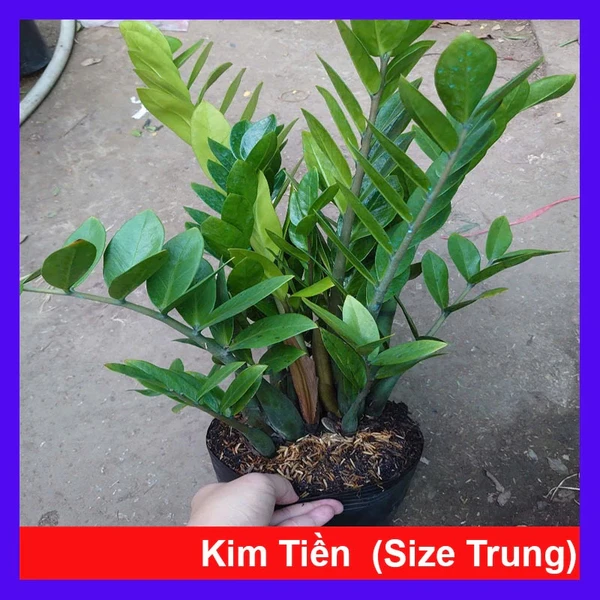
Cây kim tiền (Size Trung bụi to nhiều cây) – chậu cây k…
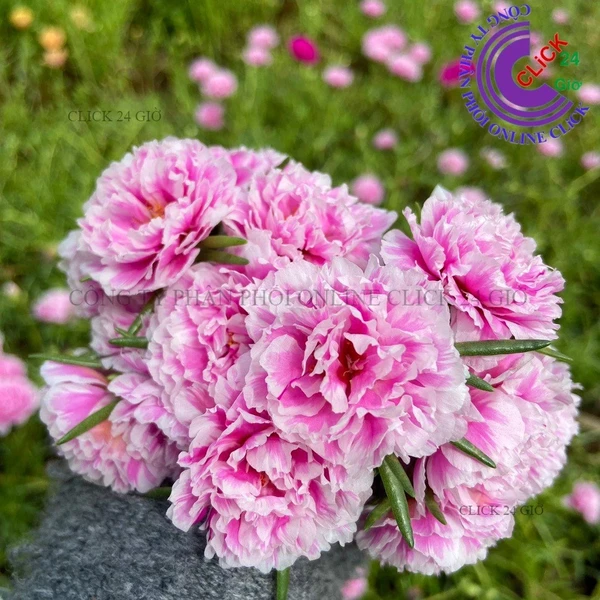
Cành Giống Hoa Mười Giờ SONG HỶ Thái Kép Cành Tơ Siêu K…

Cây Hương Thảo Đuổi Muỗi (Rosemary) dùng làm ẩm thực ch…
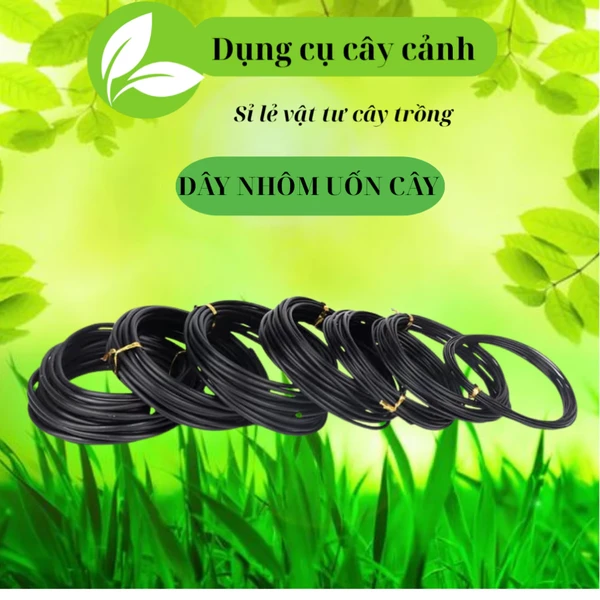
Dây nhôm uốn cây cảnh bonsai – Dây nhôm mềm dẻo, bền ch…

Chậu tử sa mini TS002 Trồng cây bonsai
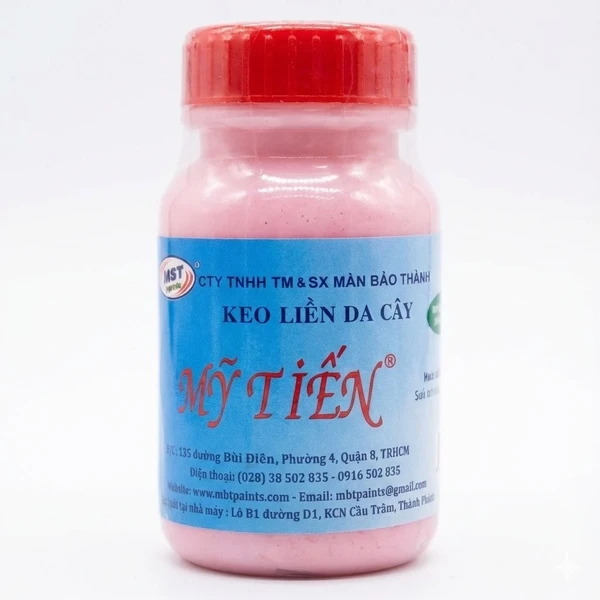
Keo liền sẹo mỹ tiến sử dụng cho cây cảnh
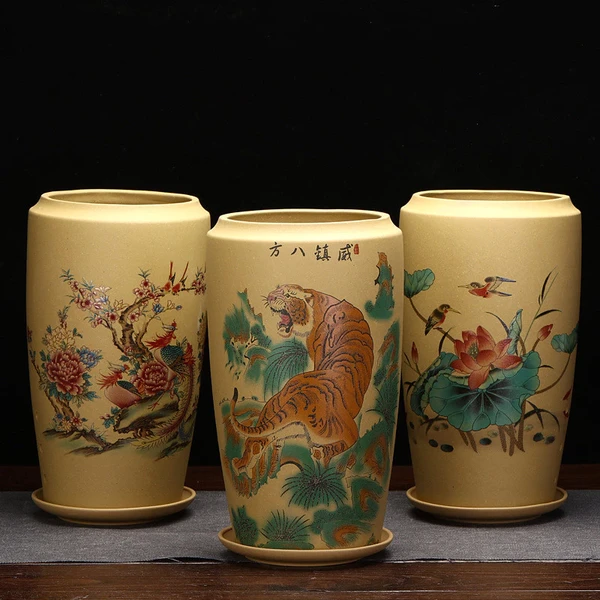
Chậu trồng cây Bonsai, Cây tiểu cảnh mini bằng chất liệ…
#30 Hạt Giống Cà Chua Bi Lùn F1 641 – Dễ Chăm Sóc, Trồn…
#50 Hạt Giống Hoa Hồng Leo Pháp Đủ Màu có hướng dẫn các…
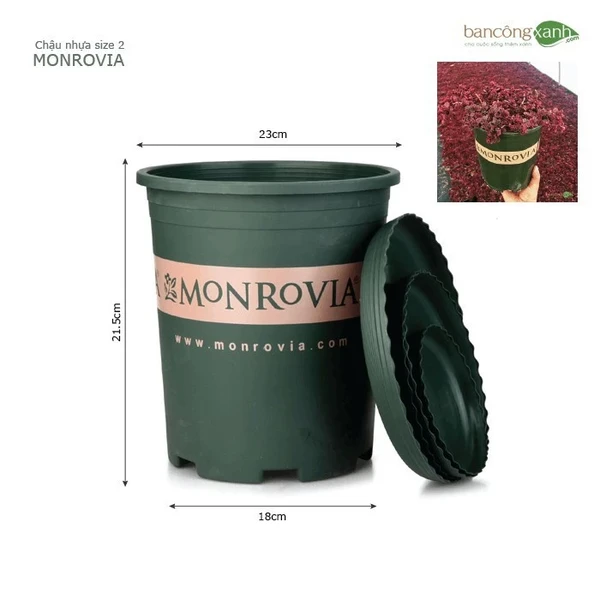
Bộ 10 CHẬU NHỰA trồng cây cao cấp Monrovia cỡ số 3 kèm …
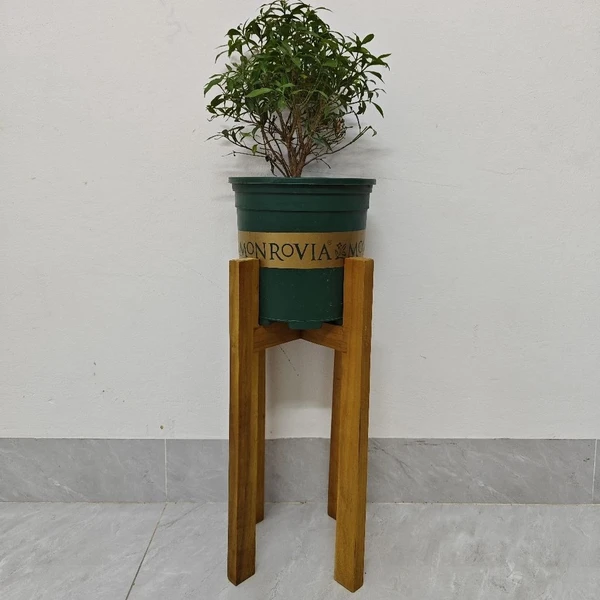
Kệ gỗ để chậu cây , kệ để bình nước cao, đôn kê chậu câ…
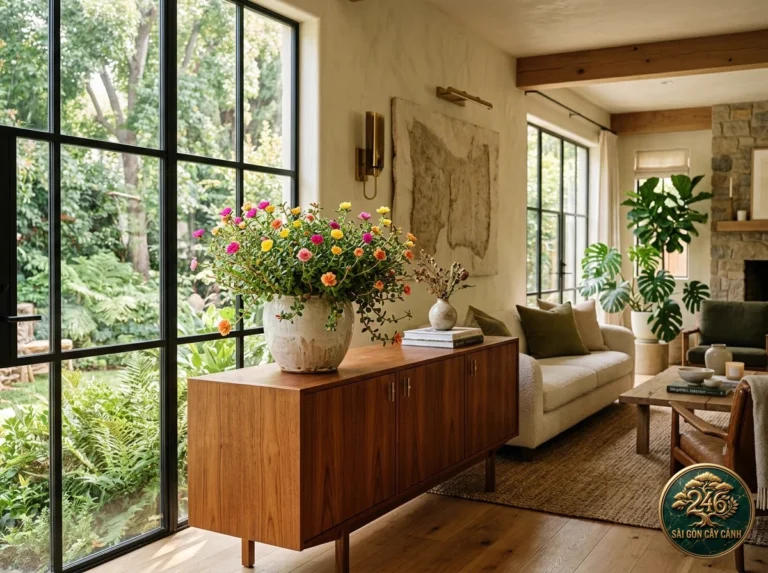
Wingpod purslane (Portulaca umbraticola)
Wingpod purslane (Portulaca umbraticola) Portulaca umbraticola, widely known as wingpod purslane, ornamental purslane, or broadleaf moss rose, is...
Read Monograph →
Cigar plant
Cuphea ignea, universally celebrated in tropical horticulture as the cigar plant, firecracker plant, or Mexican cigar flower, is...
Read Monograph →
Firecracker plant
Russelia equisetiformis, celebrated universally across tropical horticulture as the firecracker plant, coral plant, or fountain plant, is an...
Read Monograph →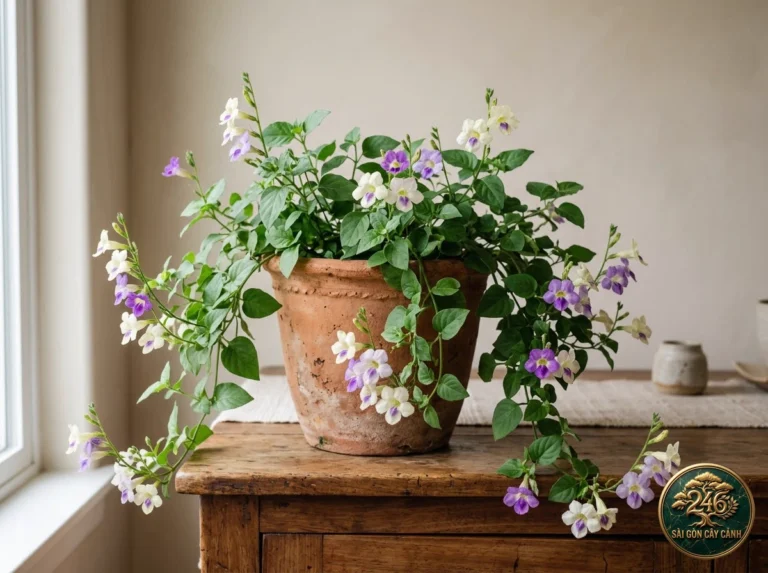
Chinese violet
Asystasia gangetica, widely celebrated in subtropical and tropical landscaping as Chinese violet, Ganges primrose, or creeping foxglove, is...
Read Monograph →Expert Q&A, Recommended Supplies & Article Feedback
Tap once to connect instantly via Google, Facebook or TikTok — no long forms required!
No questions yet for this article. Tap Google / Facebook / TikTok above to ask the first question!